Institutional
The LM²C
LM²C began its journey in the mid-1990s, becoming a pioneer in physical modeling in geotechnical centrifuges in Brazil. In 1995, the first drum geotechnical centrifuge was installed at COPPE/UFRJ, in the new Geotechnical Laboratory, and in the following year, it began to be used in studies focused on the transport of heavy metals in soils (Gurung et al., 1998; Almeida, 2000). In 2012, the acquisition of an beam geotechnical centrifuge (Broadbent) marked a new chapter in the laboratory, allowing for the expansion of research and the execution of more complex tests. Over the last few decades, LM²C has established itself as a benchmark in applied geotechnical research, focusing on offshore challenges, ranging from the exploration of non-renewable energies to emerging renewable energy technologies.
The LM²C
LM²C began its journey in the mid-1990s, becoming a pioneer in physical modeling in geotechnical centrifuges in Brazil. In 1995, the first drum geotechnical centrifuge was installed at COPPE/UFRJ, in the new Geotechnical Laboratory, and in the following year, it began to be used in studies focused on the transport of heavy metals in soils (Gurung et al., 1998; Almeida, 2000). In 2012, the acquisition of an beam geotechnical centrifuge (Broadbent) marked a new chapter in the laboratory, allowing for the expansion of research and the execution of more complex tests. Over the last few decades, LM²C has established itself as a benchmark in applied geotechnical research, focusing on offshore challenges, ranging from the exploration of non-renewable energies to emerging renewable energy technologies.


Our Equipment
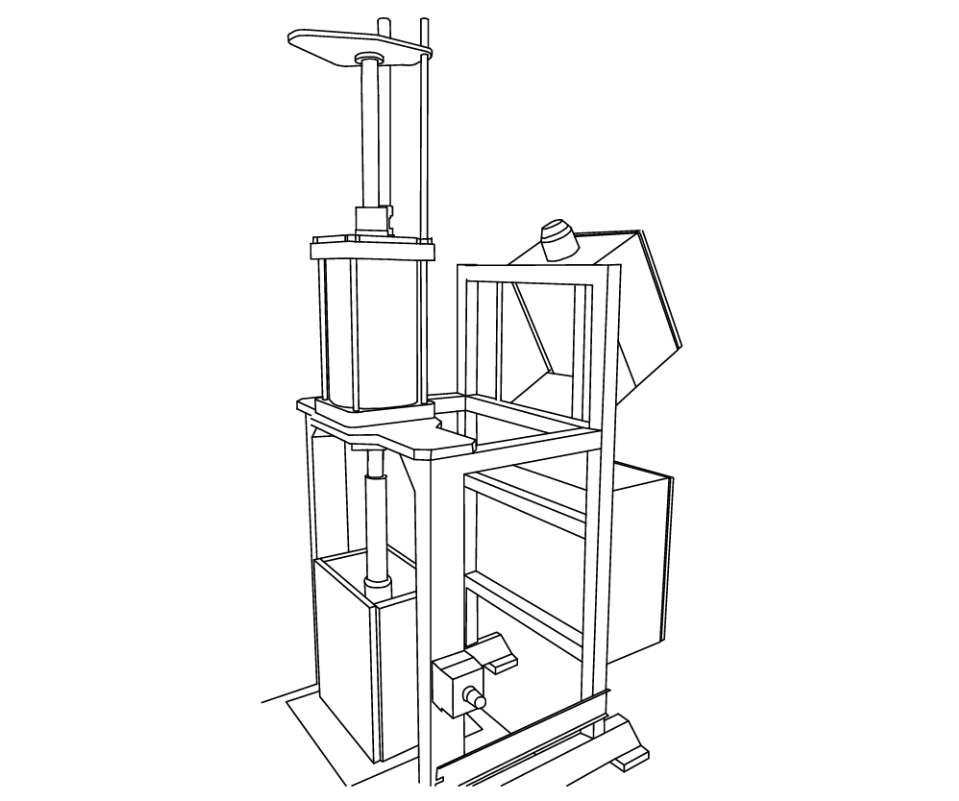
Consolidometer

Centrifuges
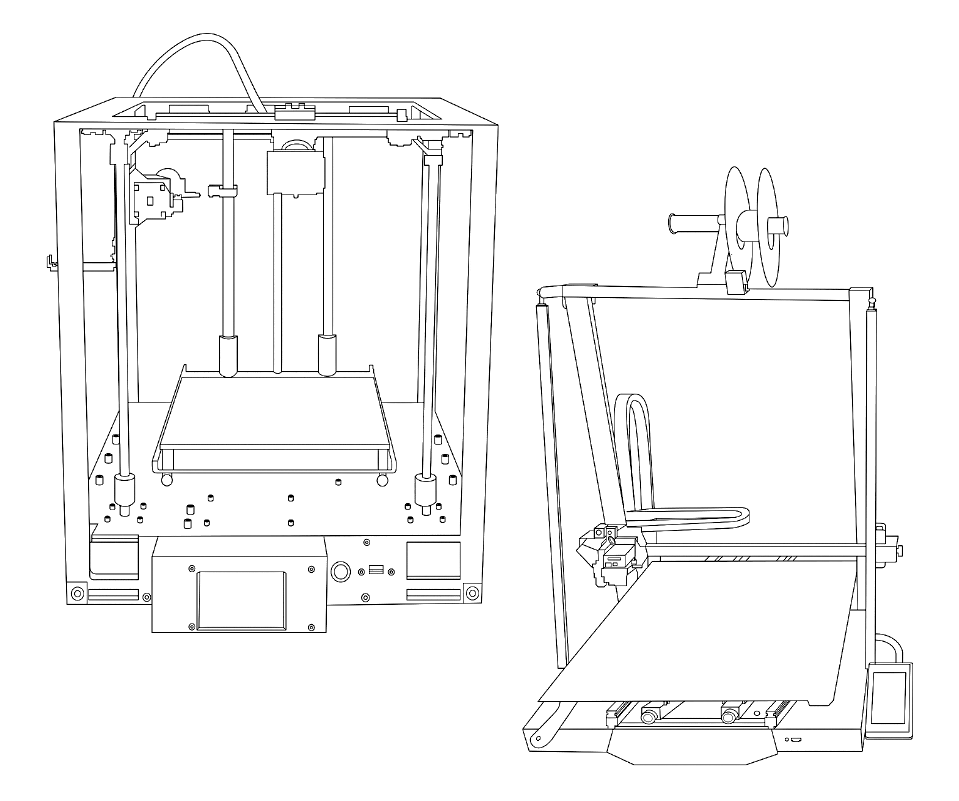
3D Printer
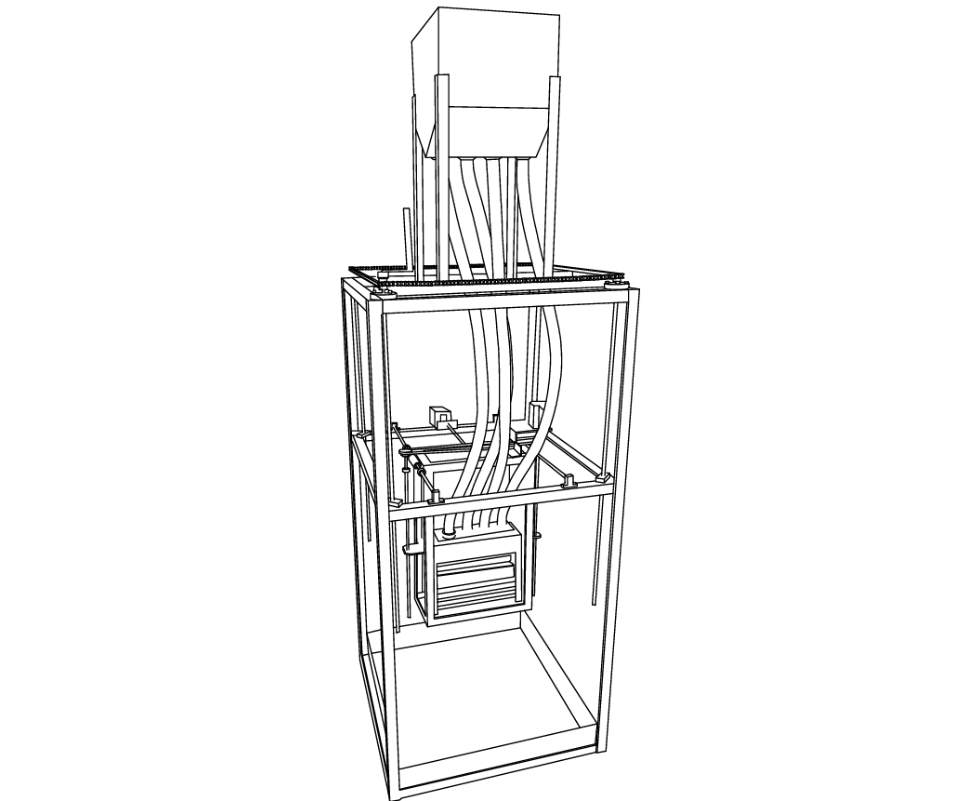
Automatic sand pluviator
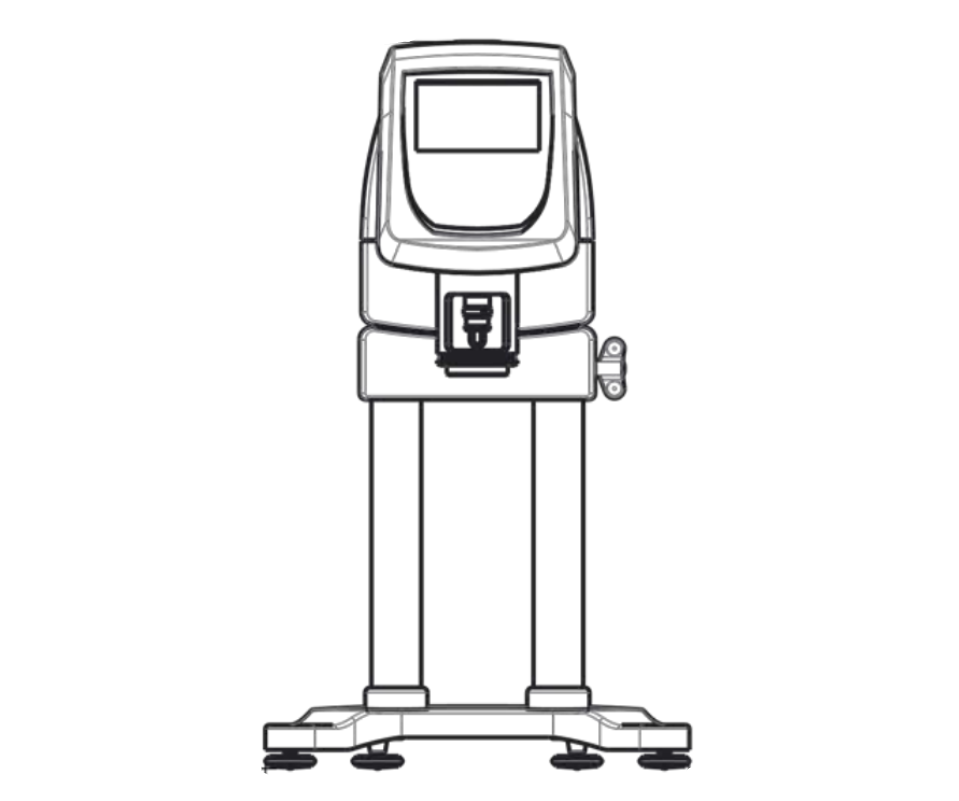
Rheometer
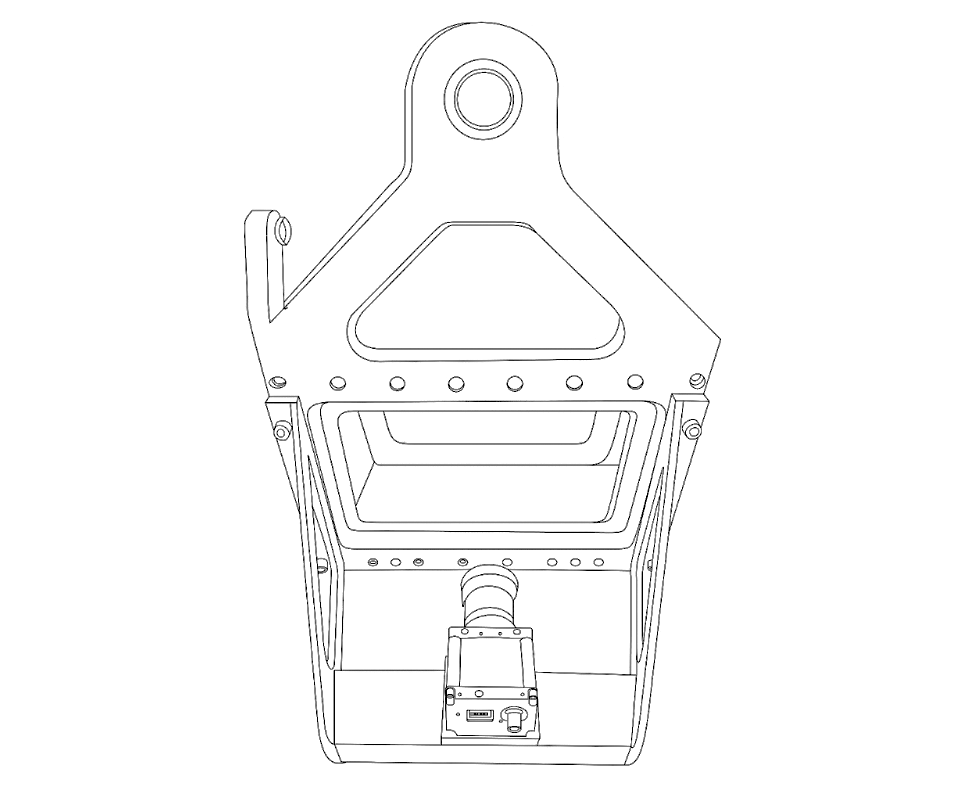
PIV system
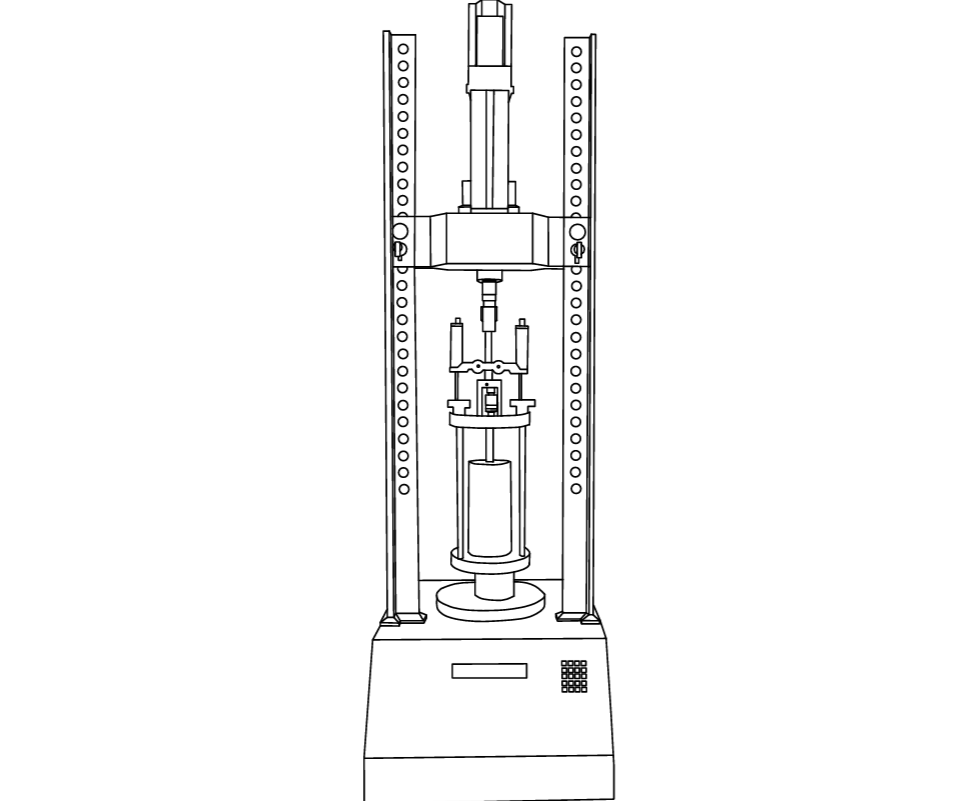
Triaxial