Centrifuges

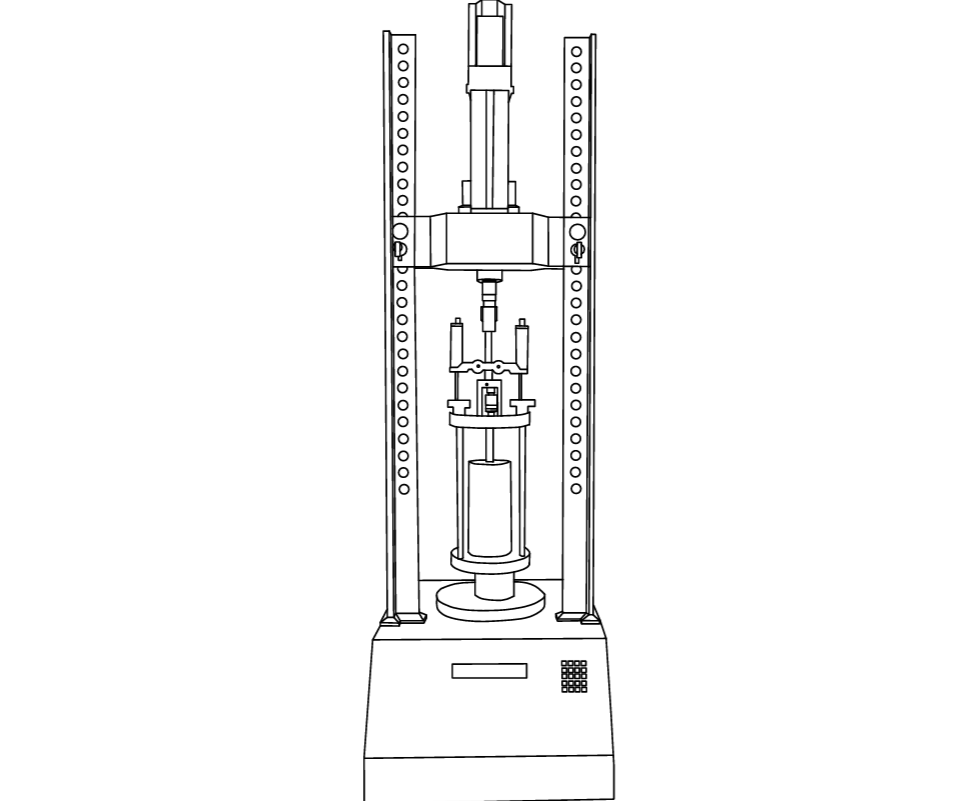
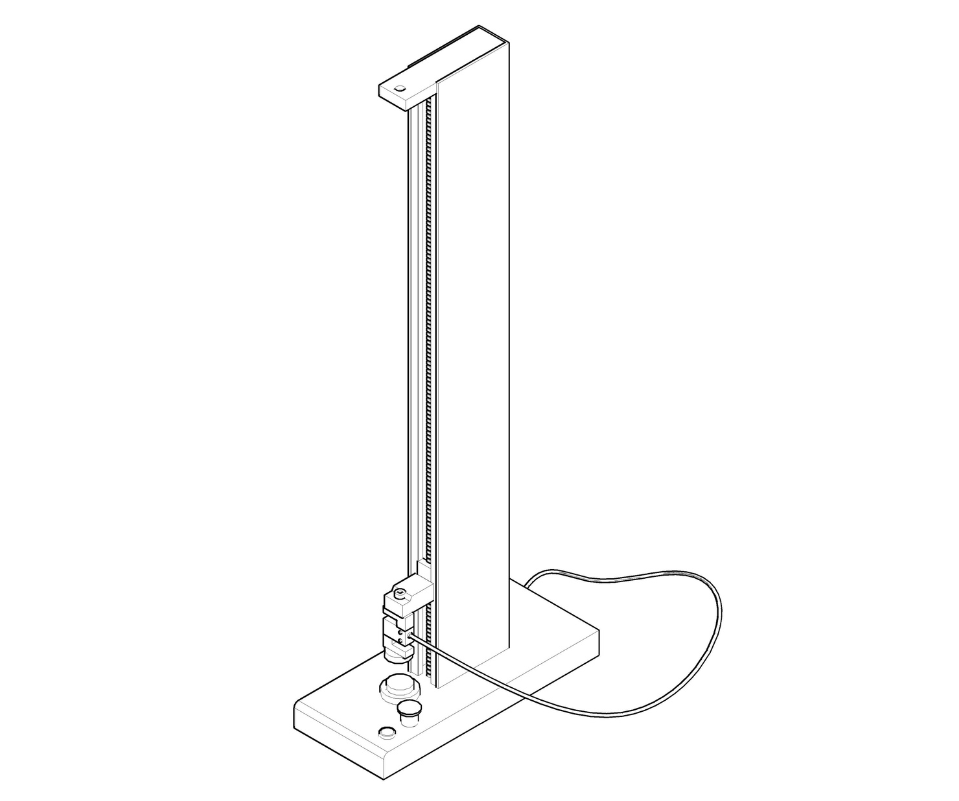
The LM²Chas two geotechnical centrifuges: a Drum Geotechnical Centrifuge with a capacity of 90g-ton (D=1.0m) and an Beam Geotechnical Centrifuge with a capacity of 60g-ton (D=1.2m). The Drum Centrifuge is generally used in tests with larger models, while the Beam Centrifuge is used in tests with deeper models, allowing the simulation of different geotechnical conditions.
The LM²Chas two geotechnical centrifuges: a Drum Geotechnical Centrifuge with a capacity of 90g-ton (D=1.0m) and an Beam Geotechnical Centrifuge with a capacity of 60g-ton (D=1.2m). The Drum Centrifuge is generally used in tests with larger models, while the Beam Centrifuge is used in tests with deeper models, allowing the simulation of different geotechnical conditions.

Geotechnical Drum Centrifuge

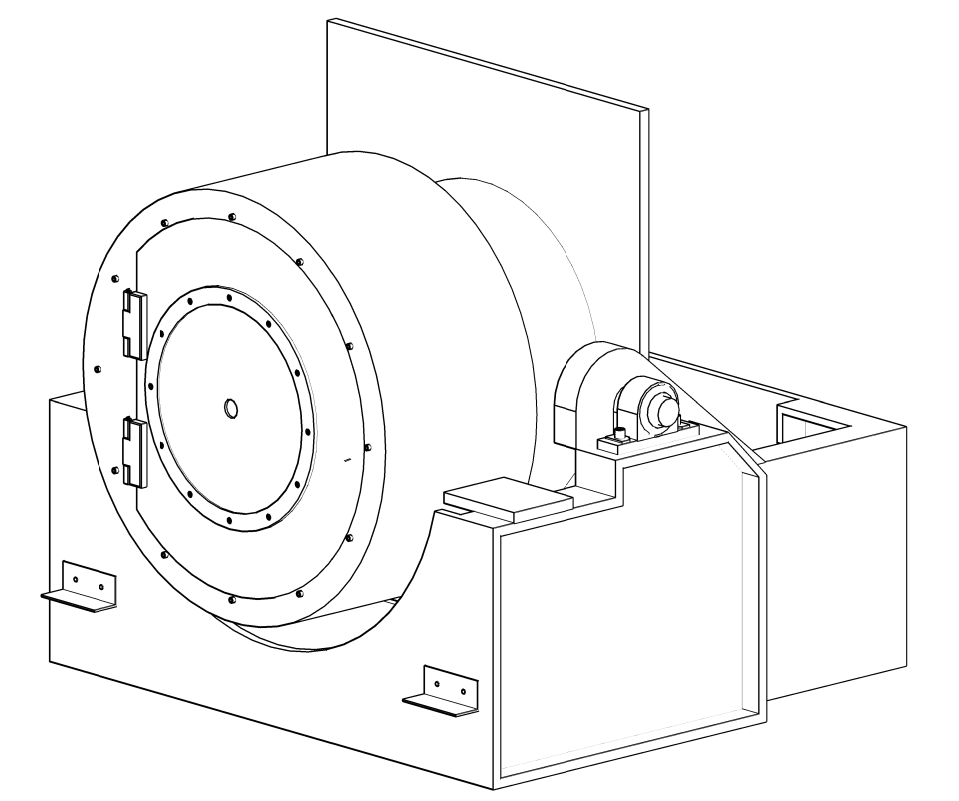
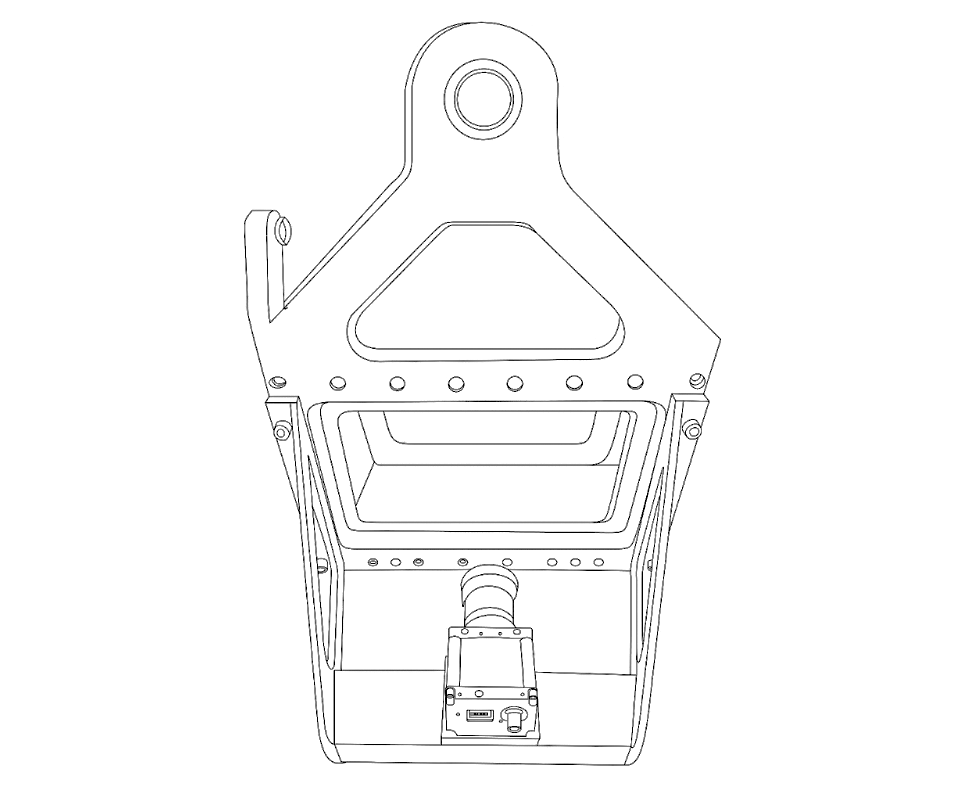
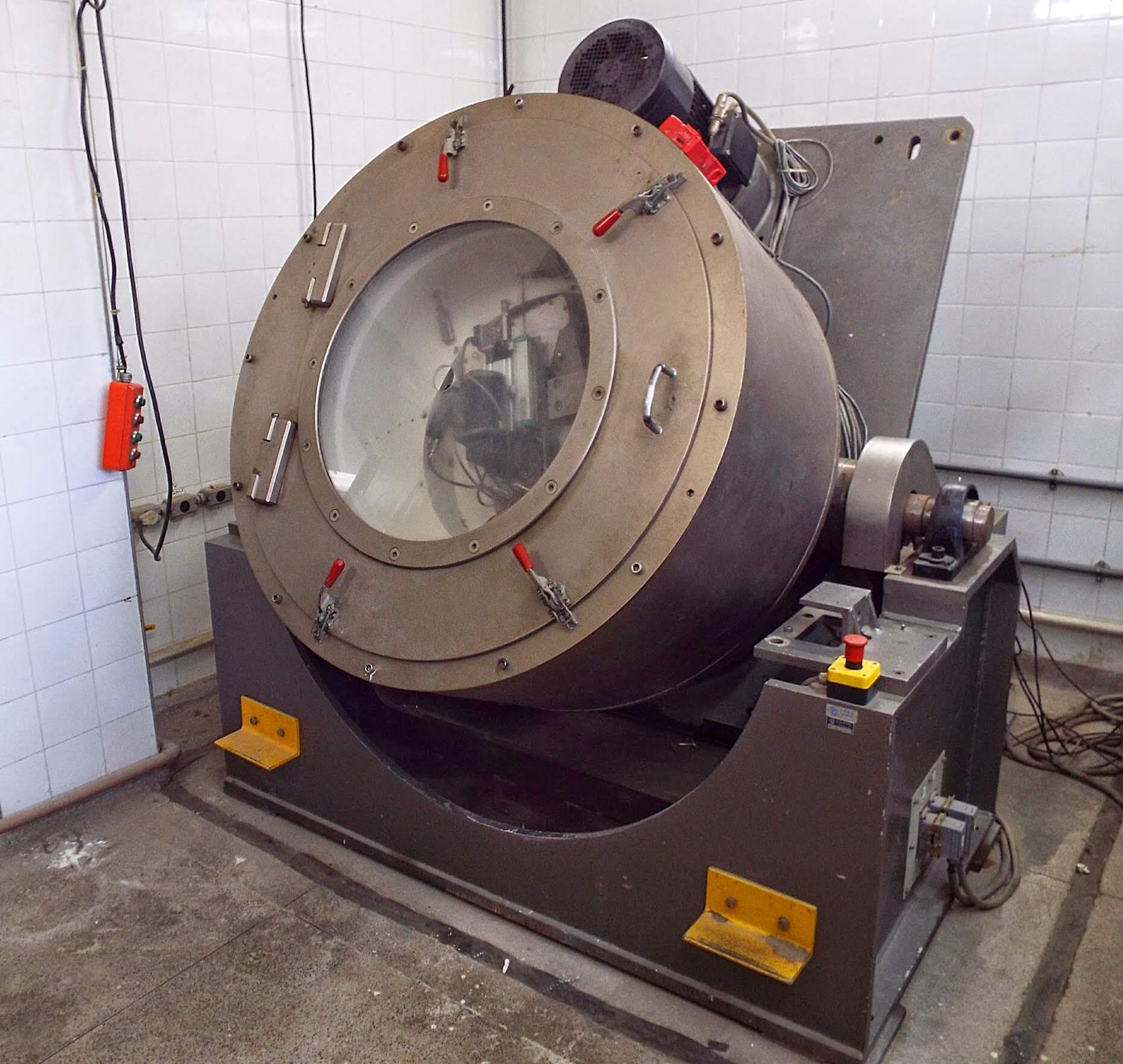
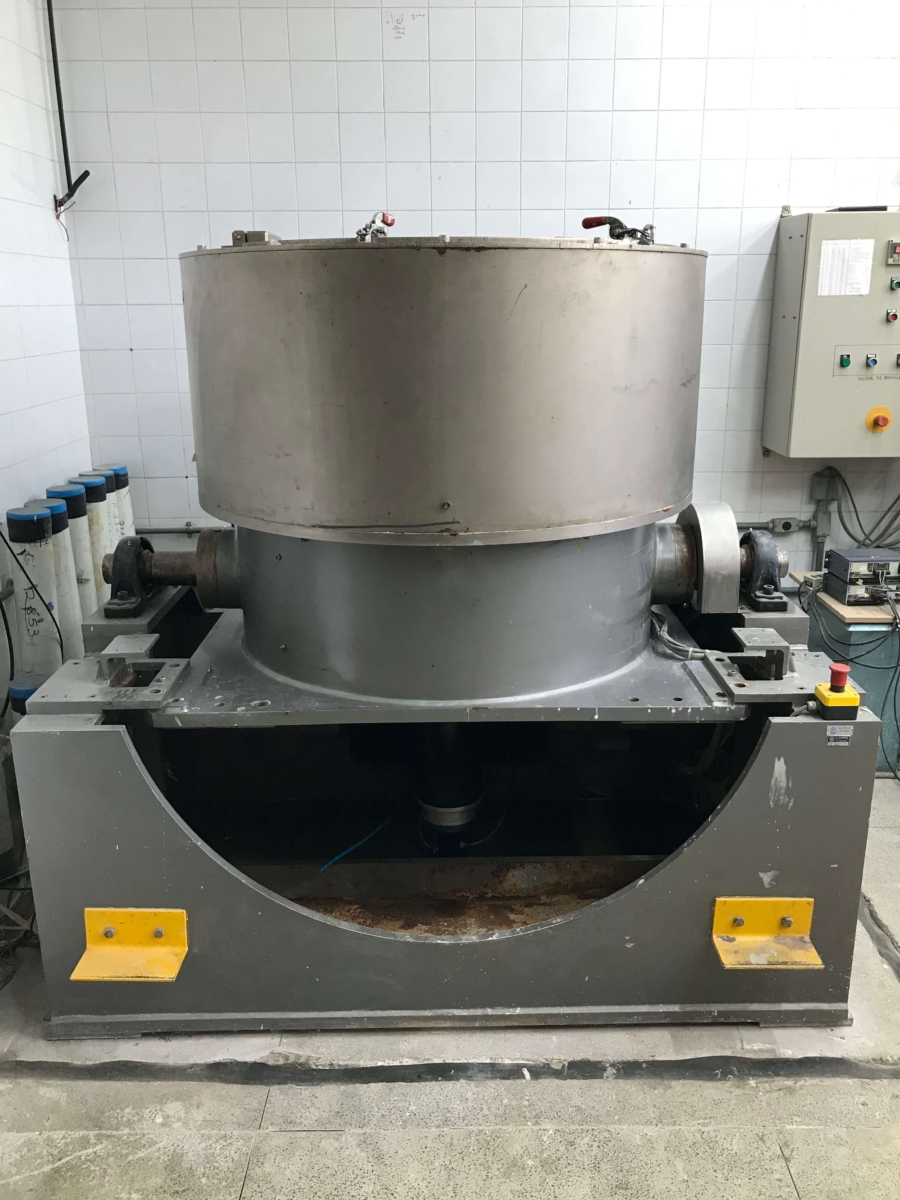
The geotechnical drum centrifuge consists of a main channel, where the model is built or positioned, and a tool platform, where actuators and sensors can be mounted together with data acquisition systems. With a diameter of 1.0 m, a height of 0.25 m, and a depth of 0.20 m, the channel can be accelerated up to 200g, carrying a payload of up to 0.45 tons.

An important advantage of the drum centrifuge is that the entire channel can be filled with soil, creating a large model deposit in length. Smaller models can be tested using reinforced boxes, prepared externally and placed in the channel.

Equipment data

Brand: G-Max Scotland Ltd

Technology Type: Drum

Year of installation: 1995

Other names: Arm Centrifuge

Parameters Data
Drum radius 0,48 m
Capacity 90g.ton
Drum size 0.5 m x 0.25 m x 0.20 (Width x Height x Depth)

Geotechnical Drum Centrifuge

The geotechnical drum centrifuge consists of a main channel, where the model is built or positioned, and a tool platform, where actuators and sensors can be mounted together with data acquisition systems. With a diameter of 1.0 m, a height of 0.25 m, and a depth of 0.20 m, the channel can be accelerated up to 200g, carrying a payload of up to 0.45 tons.

An important advantage of the drum centrifuge is that the entire channel can be filled with soil, creating a large model deposit in length. Smaller models can be tested using reinforced boxes, prepared externally and placed in the channel.

Equipment data

Brand: G-Max Scotland Ltd

Technology Type: Drum

Year of installation: 1995

Other names: Arm Centrifuge

Parameters Data
Drum radius 0,48 m
Capacity 90g.ton
Drum size 0.5 m x 0.25 m x 0.20 (Width x Height x Depth)

Geotechnical Beam Centrifuge

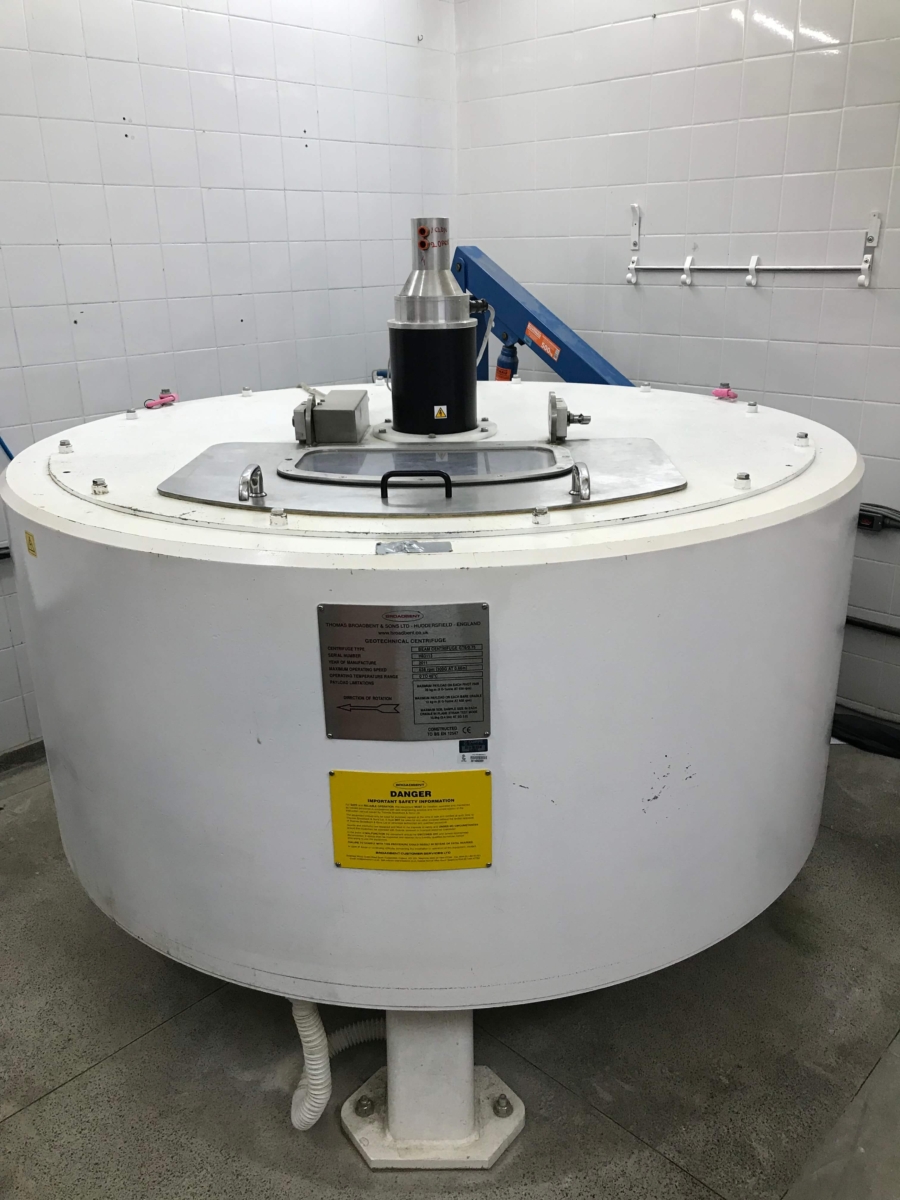
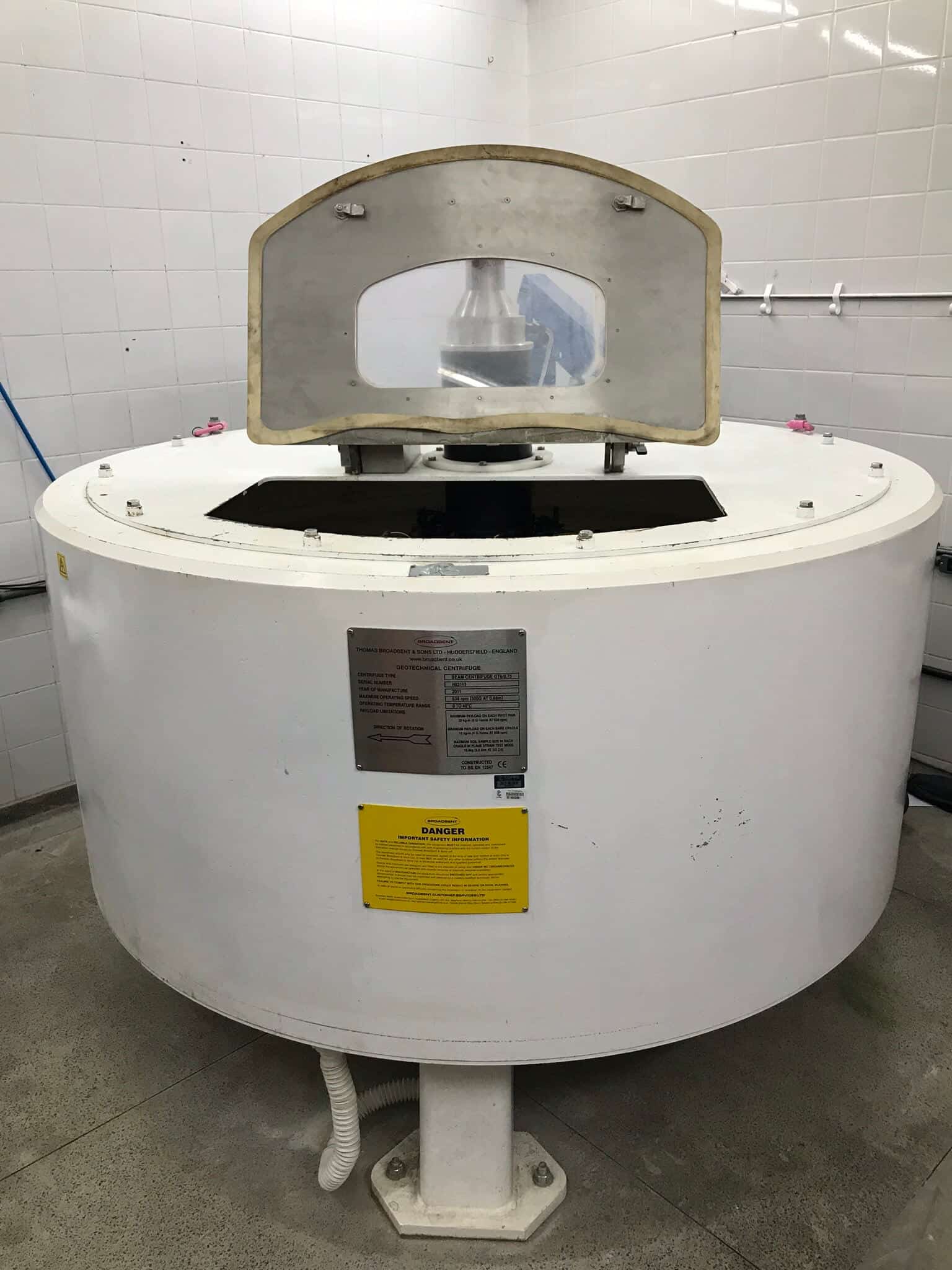
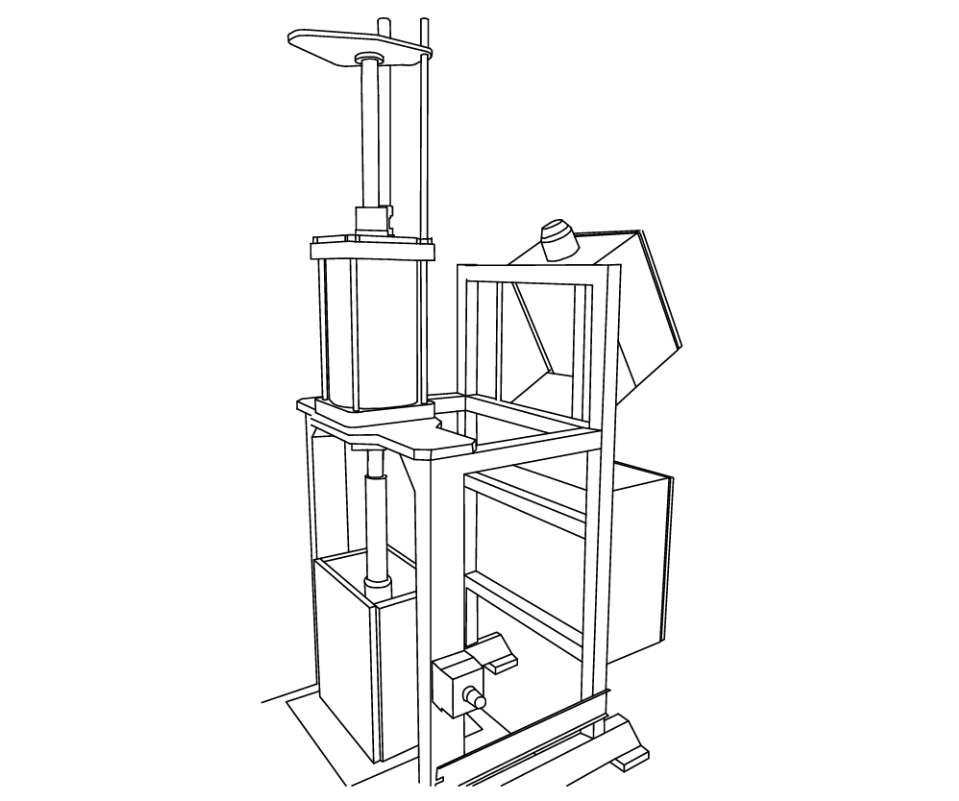
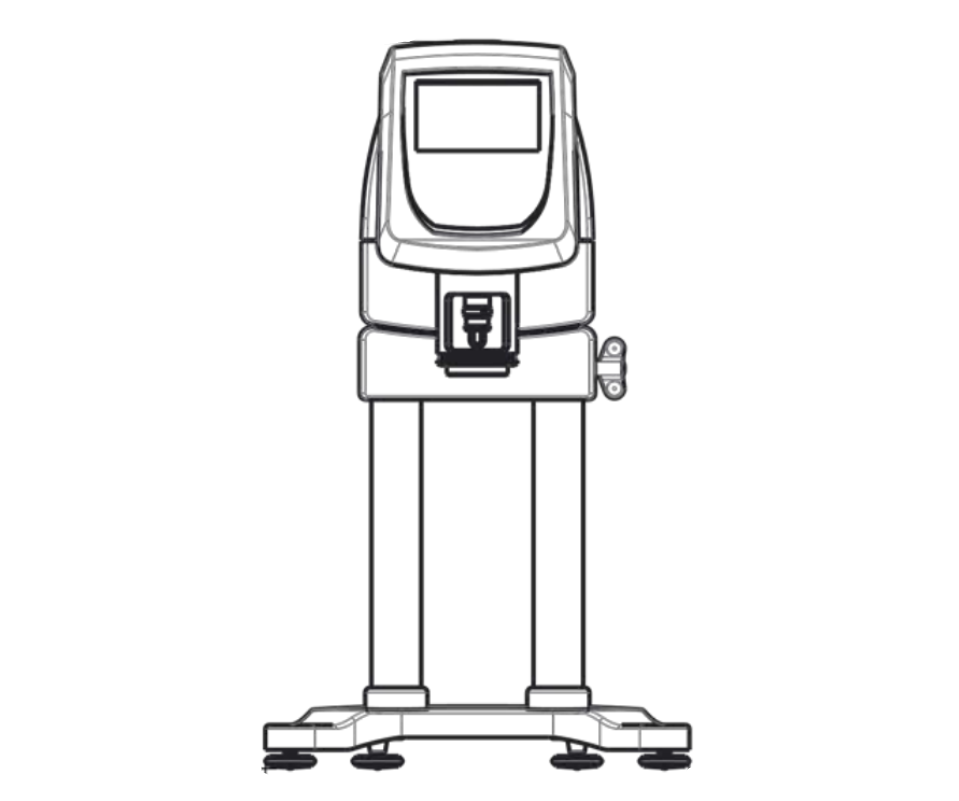
The beam centrifuge is used to study geotechnical problems, allowing models to be subjected to the same stress conditions that would be experienced in real life. Built by Broadbent, the centrifuge began operating in 2012 at LM²C, where it continues to be used today. With a diameter of 1.6 m, it is capable of reaching accelerations of up to 300g, supporting a payload of 0.2 tons. Unlike the drum centrifuge, in which the equipment is tilted, due to the applied rotation.

Equipment data

Brand: Broadbent

Technology Type: Arm

Year of installation: 2012

Other names: Arm Centrifuge

Parameters Data
Radius to the base of the test box de ensaio

0,75 m
Capacity 60g.ton
Test box area 0,10 m x 0,30 m

Geotechnical Beam Centrifuge

The beam centrifuge is used to study geotechnical problems, allowing models to be subjected to the same stress conditions that would be experienced in real life. Built by Broadbent, the centrifuge began operating in 2012 at LM²C, where it continues to be used today. With a diameter of 1.6 m, it is capable of reaching accelerations of up to 300g, supporting a payload of 0.2 tons. Unlike the drum centrifuge, in which the equipment is tilted, due to the applied rotation.

Equipment data

Brand: Broadbent

Technology Type: Arm

Year of installation: 2012

Other names: Arm Centrifuge

Parameters Data
Radius to the base of the test box de ensaio

0,75 m
Capacity 60g.ton
Test box area 0,10 m x 0,30 m

Our Equipment