Triaxial
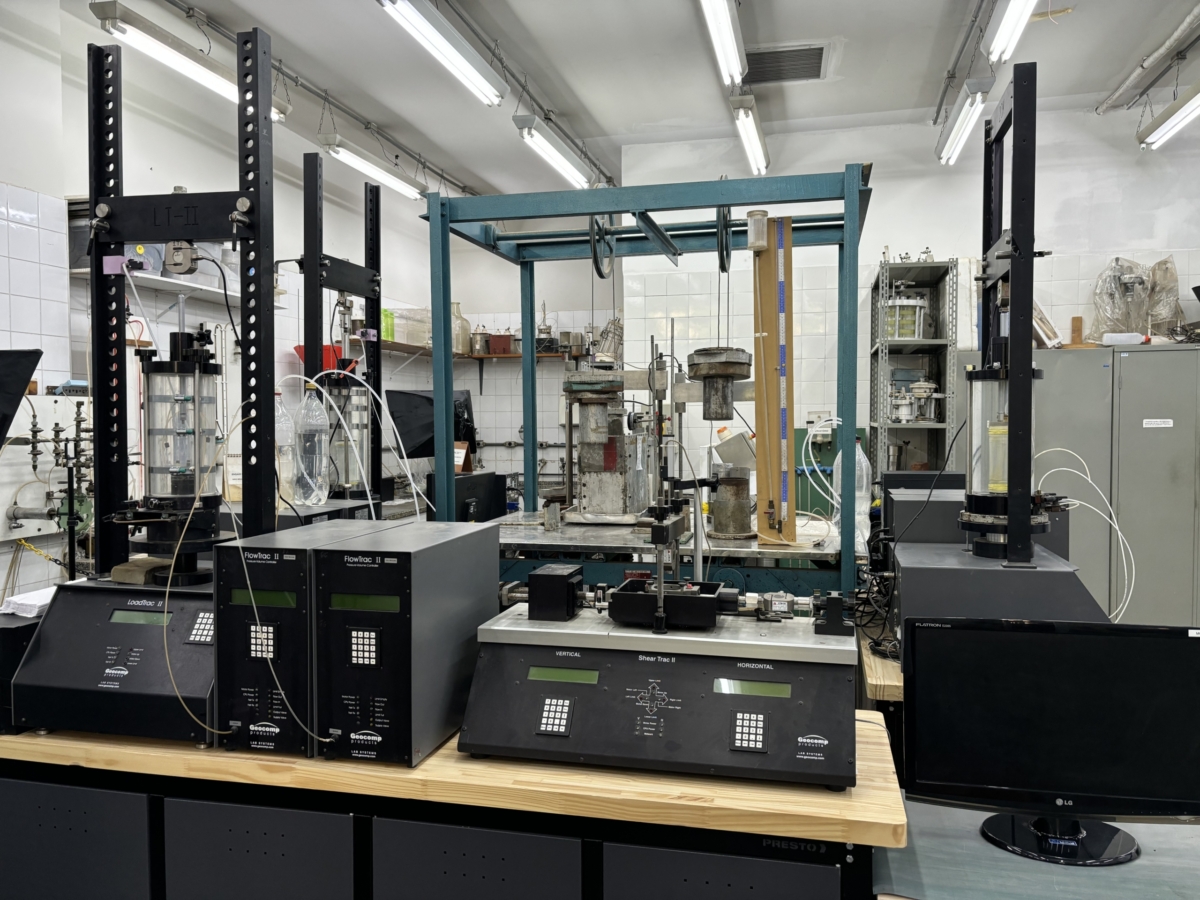
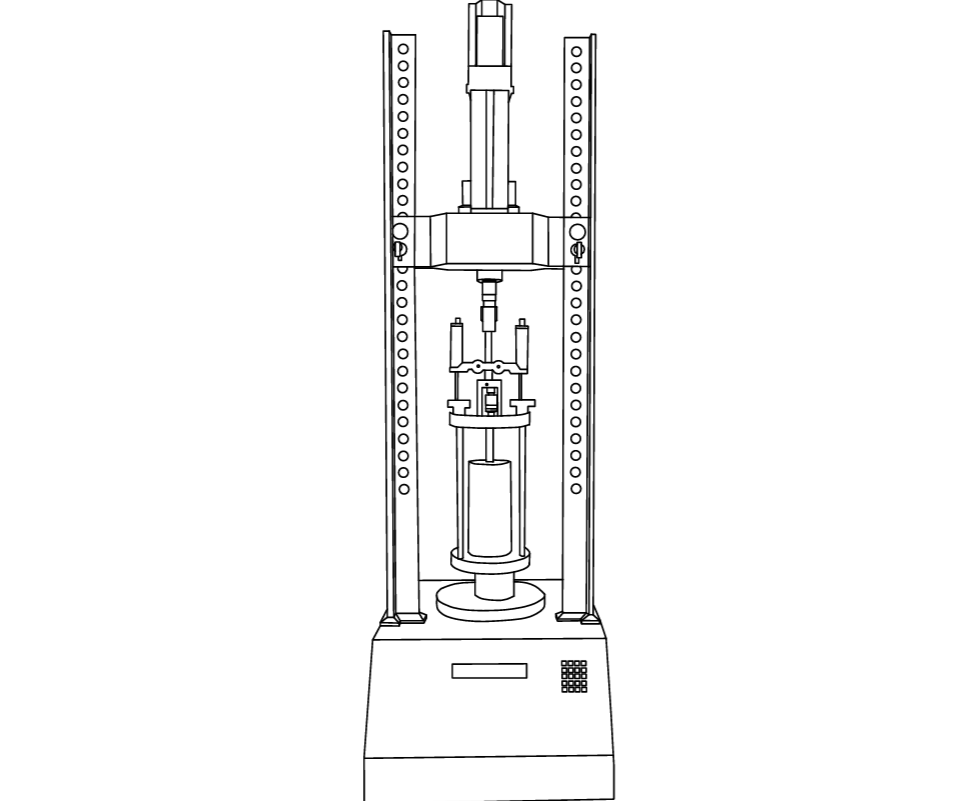
The triaxial testing machine fully automates undrained unconsolidated (UU), undrained consolidated (CU), drained consolidated (CD), and/or any possible stress path tests on soil. The systems automate the initialization, saturation, consolidation (isotropic, anisotropic, or k0), and shear phases along any stress path (drained, undrained, or mixed) of a test.
The conventional triaxial test involves subjecting a cylindrical soil sample to radial stresses (confining pressure) and controlled increases in axial stresses or axial displacements. The cylindrical soil sample usually has dimensions of 100 mm in diameter and 200 mm in height. It is vertically surrounded by a thin rubber membrane. Sample preparation depends on the type of soil. Cohesive soil samples are often prepared directly from saturated compacted samples, either undisturbed or remodeled. For non-cohesive soils, however, the sample is prepared with the aid of a mold that maintains the required shape of the sample.
The sample is placed between two rigid ends inside a pressure chamber. The upper plate can move vertically and apply vertical stresses to the sample. The axial deformation/stress of the sample is controlled by the movement of this vertical axis. In addition, the confining pressure is controlled by the pressure of the water surrounding the sample in the pressure chamber. The volume change of the sample is also controlled by measuring the exact volume of water in motion.
Equipment Data
Brand: Geocomp
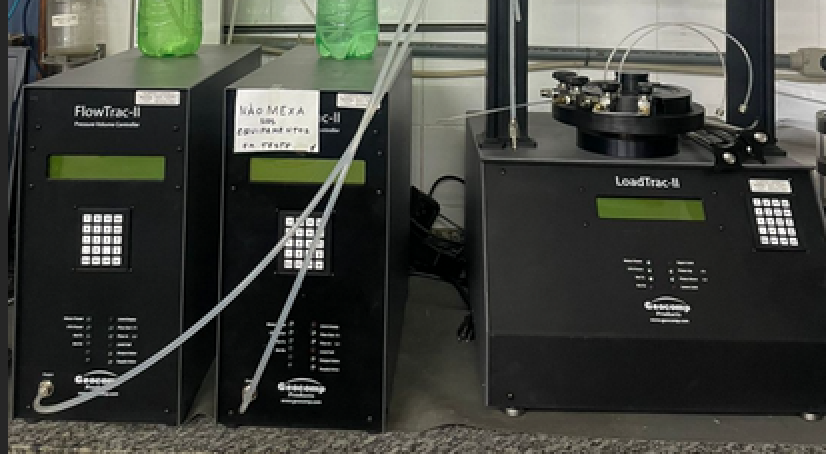
Modelo: LoadTrac-II/FlowTrac-II
Year of installation: 2023
Other names: Triaxial geotécnico
| Parameters | Data |
|---|---|
| Flow rate | 0,0003 a 1054 cm/min |
| Travel rate | 0,00003 a 25 mm/min |
Equipment Data
Brand: Geocomp
Modelo: LoadTrac-II/FlowTrac-II
Year of installation: 2023
Other names: Triaxial geotécnico
| Parameters | Data |
|---|---|
| Flow rate | 0,0003 a 1054 cm/min |
| Travel rate | 0,00003 a 25 mm/min |
The triaxial testing machine fully automates undrained unconsolidated (UU), undrained consolidated (CU), drained consolidated (CD), and/or any possible stress path tests on soil. The systems automate the initialization, saturation, consolidation (isotropic, anisotropic, or k0), and shear phases along any stress path (drained, undrained, or mixed) of a test.
The conventional triaxial test involves subjecting a cylindrical soil sample to radial stresses (confining pressure) and controlled increases in axial stresses or axial displacements. The cylindrical soil sample usually has dimensions of 100 mm in diameter and 200 mm in height. It is vertically surrounded by a thin rubber membrane. Sample preparation depends on the type of soil. Cohesive soil samples are often prepared directly from saturated compacted samples, either undisturbed or remodeled. For non-cohesive soils, however, the sample is prepared with the aid of a mold that maintains the required shape of the sample.
The sample is placed between two rigid ends inside a pressure chamber. The upper plate can move vertically and apply vertical stresses to the sample. The axial deformation/stress of the sample is controlled by the movement of this vertical axis. In addition, the confining pressure is controlled by the pressure of the water surrounding the sample in the pressure chamber. The volume change of the sample is also controlled by measuring the exact volume of water in motion.
Equipment Data
Brand: Geocomp
Modelo: LoadTrac-II/FlowTrac-II
Year of installation: 2023
Other names: Triaxial geotécnico
| Parameters | Data |
|---|---|
| Flow rate | 0,0003 a 1054 cm/min |
| Travel rate | 0,00003 a 25 mm/min |
Equipment Data
Brand: Geocomp
Modelo: LoadTrac-II/FlowTrac-II
Year of installation: 2023
Other names: Triaxial geotécnico
| Parameters | Data |
|---|---|
| Flow rate | 0,0003 a 1054 cm/min |
| Travel rate | 0,00003 a 25 mm/min |
Our Equipment
Consolidometer

Centrifuges
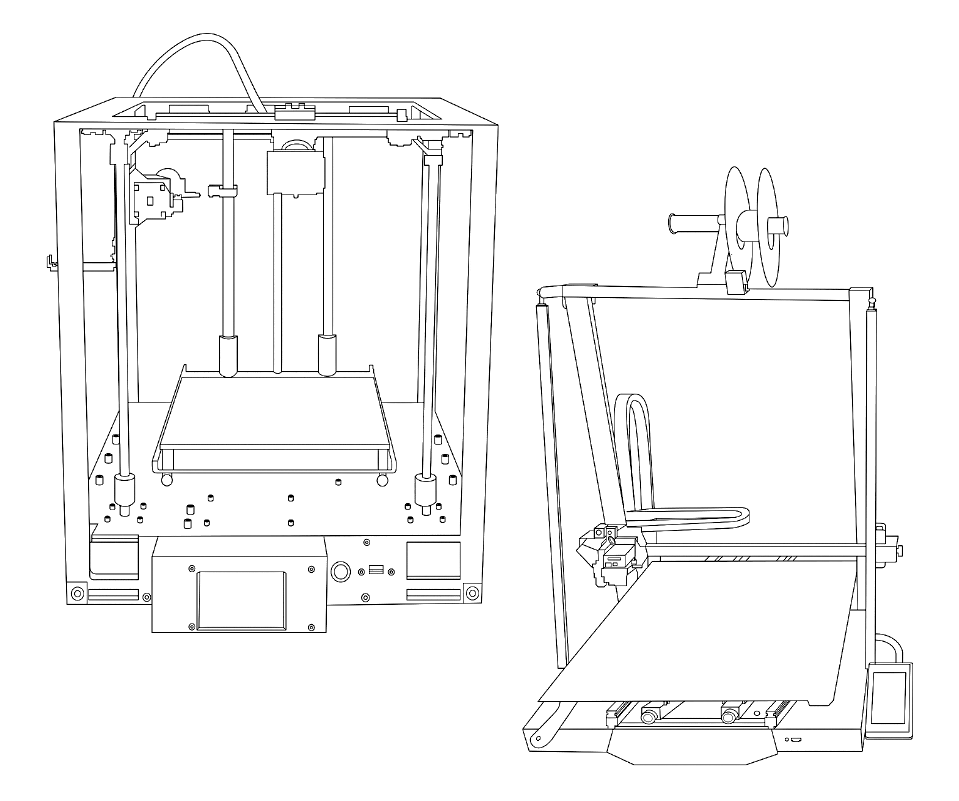
3D Printer
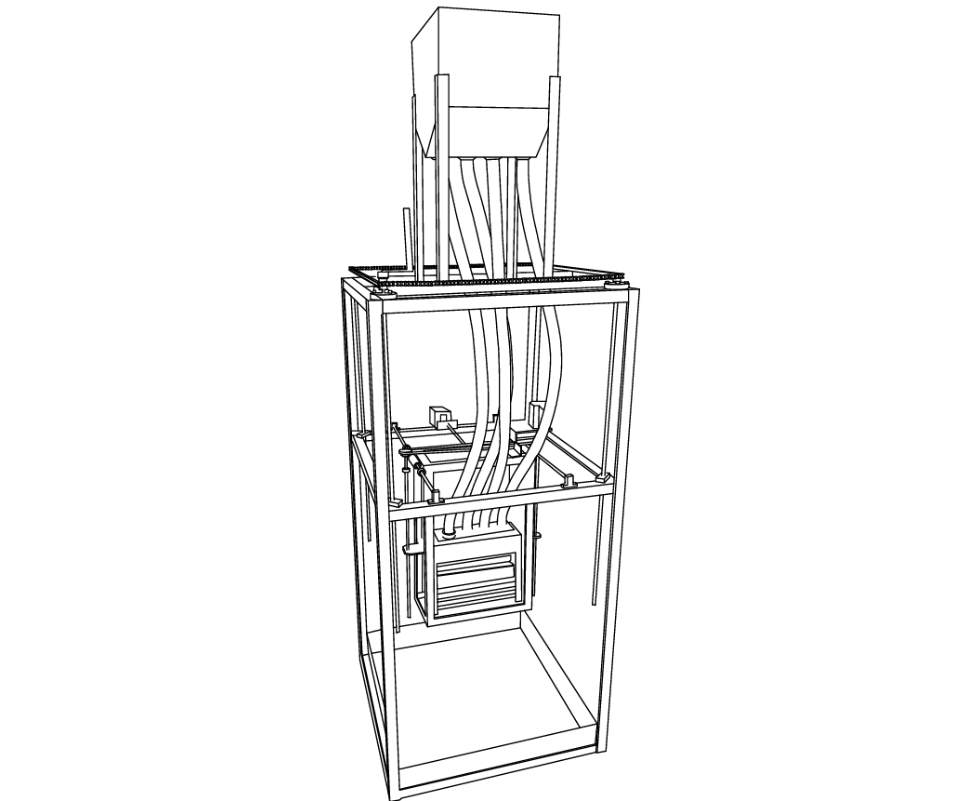
Automatic sand pluviator
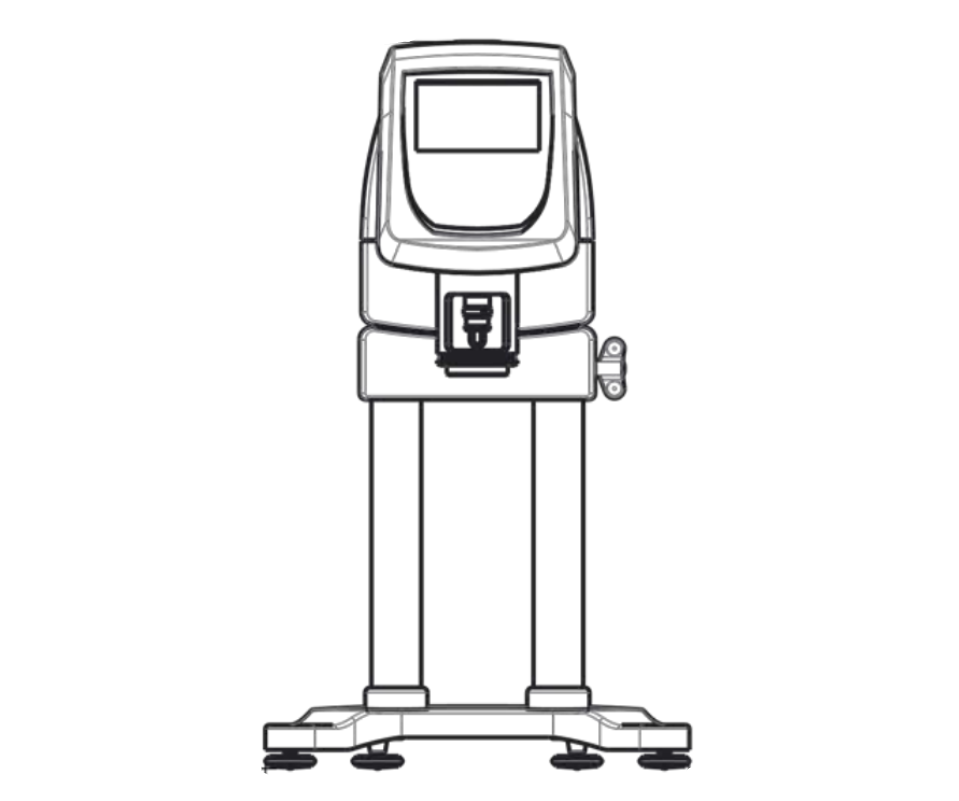
Rheometer
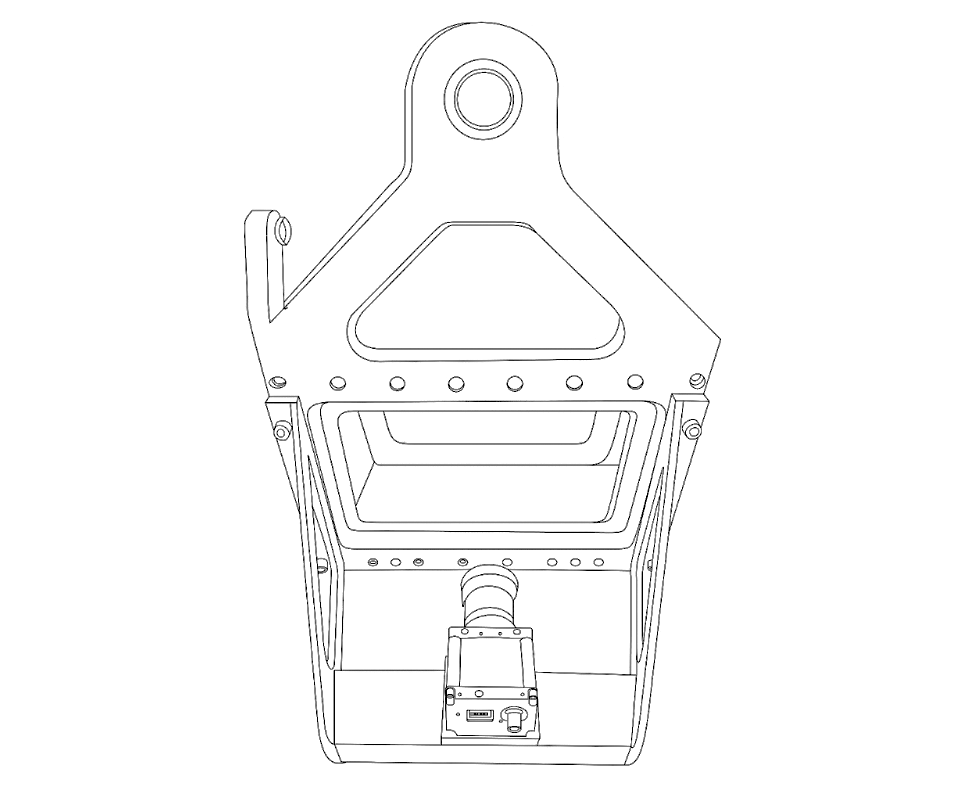
PIV system
Triaxial