Background
The LM²C
Physical modeling in geotechnical centrifuges began in Brazil in the mid-1990s with the installation of the first geotechnical drum centrifuge at COPPE/UFRJ. This equipment was installed in 1995 in the new Geotechnical Laboratory building. In 1996, the centrifuge began operating, with the first studies related to the transport of heavy metals in soils (Gurung et al., 1998; Almeida, 2000). In 2012, a new piece of equipment, this time a geotechnical beam centrifuge (Broadbent), was acquired, allowing for a wider range of tests, research, and activities. Since then, several studies have been carried out through master's and doctoral research, focusing mainly on the application of geotechnics and soil-structure interaction in offshore problems (non-renewable and renewable energies).
The LM²C
Physical modeling in geotechnical centrifuges began in Brazil in the mid-1990s with the installation of the first geotechnical drum centrifuge at COPPE/UFRJ. This equipment was installed in 1995 in the new Geotechnical Laboratory building. In 1996, the centrifuge began operating, with the first studies related to the transport of heavy metals in soils (Gurung et al., 1998; Almeida, 2000). In 2012, a new piece of equipment, this time a geotechnical beam centrifuge (Broadbent), was acquired, allowing for a wider range of tests, research, and activities. Since then, several studies have been carried out through master's and doctoral research, focusing mainly on the application of geotechnics and soil-structure interaction in offshore problems (non-renewable and renewable energies).
Timeline
The Multi-User Laboratory for Centrifuge Modeling (LM²C) has a history marked by significant innovations and advances in the field of geotechnical engineering. Since its foundation, LM²C has aimed to enable pioneering research and the training of highly qualified professionals. Below, we highlight some of our main achievements over the years:
Timeline
The Multi-User Laboratory for Centrifuge Modeling (LM²C) has a history marked by significant innovations and advances in the field of geotechnical engineering. Since its foundation, LM²C has aimed to enable pioneering research and the training of highly qualified professionals. Below, we highlight some of our main achievements over the years:
1995 – 1996
Acquisition of the first geotechnical drum centrifuge by COPPE/UFRJ and inauguration of the COPPE/UFRJ Laboratory, marking the start of centrifuge operations. The first studies focused on the transport of heavy metals in soil.

1995 – 1996
Acquisition of the first geotechnical drum centrifuge by COPPE/UFRJ and inauguration of the COPPE/UFRJ Laboratory, marking the start of centrifuge operations. The first studies focused on the transport of heavy metals in soil.
1995 – 1996

Acquisition of the first geotechnical drum centrifuge by COPPE/UFRJ and inauguration of the COPPE/UFRJ Laboratory, marking the start of centrifuge operations. The first studies focused on the transport of heavy metals in soil.
1998
First participation in an international conference on geotechnical centrifuges: Centrifuge 98, held in Tokyo, Japan. The theme of the paper was “Migration of zinc through sedimentary soil models”.

1998

First participation in an international conference on geotechnical centrifuges: Centrifuge 98, held in Tokyo, Japan. The theme of the paper was “Migration of zinc through sedimentary soil models.”
2001
Start of partnership with CENPES/PETROBRAS on projects focused on offshore geotechnics in the oil and gas sector, with a focus on pipeline-soil interaction on the seabed.

2001

Start of partnership with CENPES/PETROBRAS on projects focused on offshore geotechnics in the oil and gas sector, with a focus on pipeline-soil interaction on the seabed.
2005
First thesis on centrifuge modeling, developed by DSc. Oliveira, addressing soil-structure interaction. The work is entitled “Centrifuge modeling of a soil-structure interaction problem” and includes an analysis of duct-soil interaction using particle image velocimetry.

2005

First thesis on centrifuge modeling, developed by Dsc. Oliveira, addressing soil-structure interaction. The work is entitled “Centrifuge modeling of a soil-structure interaction problem” and includes an analysis of duct-soil interaction using particle image velocimetry.
2010 – 2019
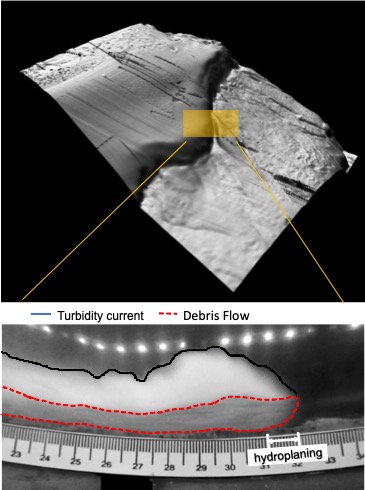
Acquisition of a second centrifuge for the laboratory in 2012, the geotechnical beam centrifuge, allowing for a wider range of tests, research, and activities. During this period, LM²C carried out several research projects, including seismic evaluation in weak layers of submarine slopes, propagation of faults in marine clay deposits, stability of submarine slopes, submarine debris flow, structured landfills, among others. The laboratory obtained ISO 9001:2015 Silver certification, demonstrating the quality of its Management System, and initiated partnerships with Gustave Eiffel University, Technip, and the University of Cambridge.


2010 – 2019
Acquisition of a second centrifuge for the laboratory in 2012, the geotechnical beam centrifuge, allowing for a wider range of tests, research, and activities. During this period, LM²C carried out several research projects, including seismic evaluation in weak layers of submarine slopes, propagation of faults in marine clay deposits, stability of submarine slopes, submarine debris flow, structured landfills, among others. The laboratory obtained ISO 9001:2015 Silver certification, demonstrating the quality of its Management System, and initiated partnerships with Gustave Eiffel University, Technip, and the University of Cambridge.
2020 - Currently
Starting in 2020, new research projects emerged, such as the effects of subsidence on the stability of underwater slopes, rheological parameterization of underwater landslides, load capacity of torpedo pile clusters, and CO₂ capture and storage. The laboratory implemented the prototyping sector with the inclusion of additive manufacturing in research projects, enabling the production of the first PLA test box.

2020 - Currently

Starting in 2020, new research projects emerged, such as the effects of subsidence on the stability of underwater slopes, rheological parameterization of underwater landslides, load capacity of torpedo pile clusters, and CO₂ capture and storage. The laboratory implemented the prototyping sector with the inclusion of additive manufacturing in research projects, enabling the production of the first PLA test box.
National and international partnerships
- CENPES/PETROBRAS – Various research projects since 2001, mainly covering the optimization of offshore foundations, movement of pipelines on the seabed, seismic instability of submarine slopes, submarine debris flows, effects of tectonic faults on the movement of structures supported on the seabed, and decommissioning of structures.

- CENPES/PETROBRAS – Various research projects since 2001, mainly covering the optimization of offshore foundations, movement of pipelines on the seabed, seismic instability of submarine slopes, submarine debris flows, effects of tectonic faults on the movement of structures supported on the seabed, and decommissioning of structures.
- University of Cambridge/UK – Contributions to research on the stability of weak layers in gentle submarine slopes subject to earthquakes – Cristian Camelo's sandwich doctorate, 2019–2020;

- University of Cambridge/UK – Contributions to research on the stability of weak layers in gentle submarine slopes subject to earthquakes – Cristian Camelo's doctorate, 2019–2020.
- Université Gustave Eiffel – collaborations in research on structured landfills with geogrid platforms, MSc Hartmann (2012) and DSc Fagundes (2016); studies on the stability of canyons with weak layers subject to earthquakes, Luciano Souza's sandwich MSc (2019); studies on wind tower foundations through the postdoctoral research of Prof. Alessandra Conde (2024–25);

- Université Gustave Eiffel – Collaborations in research on structured landfills with geogrid platforms, MSc Hartmann (2012) and DSc Fagundes (2016); studies on the stability of canyons with weak layers subject to earthquakes, Luciano Souza's MSc (2019); studies on wind tower foundations through the postdoctoral research of Prof. Alessandra Conde (2024–25).
- Université Grenoble Alpes – Partnership through the Capes/COFECUB program, collaborating with the numerical modeling of underwater debris flow through Lucas Takayassu's doctorate.
- Université Grenoble Alpes – Partnership through the Capes/COFECUB program, collaborating with the numerical modeling of underwater debris flow through Lucas Takayassu's doctorate.
- Universidade de São Paulo – Universidade Estadual do Norte Fluminense/RJ; close academic collaboration on various projects, mainly in Marine Geotechnics.

- Universidade de São Paulo – Universidade Estadual do Norte Fluminense/RJ; close academic collaboration on various projects, mainly in Marine Geotechnics.

- UENF – Universidade Estadual do Norte Fluminense/RJ; close academic collaboration on various projects, mainly in Marine Geotechnics;

- UENF – Universidade Estadual do Norte Fluminense/RJ; close academic collaboration on various projects, mainly in Marine Geotechnics;
- UEM – Universidade Estadual de Maringá/PR; collaboration mainly in studies in Offshore Geotechnics;

- UEM – Universidade Estadual de Maringá/PR; collaboration mainly in studies in Environmental Geotechnics.
- Technip – Analysis of Forces in Flexible Line TDP, MSc Tarazona (2015), MSc Pessin (2017), and DSc Noreña (2017).

- Technip – Analysis of Forces in Flexible Line TDP, MSc Tarazona (2015), MSc Pessin (2017), and DSc Noreña (2017).
- VALE – Project to study the potential for liquefaction in tailings dams using a physical model.

- VALE – Project to study the potential for liquefaction in tailings dams using a physical model.
Awards
2025 – CREA-RJ Award for Scientific and Technological Work. Doctoral award from DSc Silvia Pólido Lemos entitled “Dynamic behavior of foundations in monopiles of offshore wind turbines in sand.”
2023 – Fellowships Marie Curie Award from the European Union. Through the innovative research project entitled “Sharewind” in partnership with COPPE/UFRJ and Uni.Eiffel.
2022 – Award Costa Nunes. Honorable Mention awarded to DSc Cristian Yair Soriano Camelo for the best doctoral thesis in Geotechnics, defended at a Brazilian institution, in the 2020-2021 biennium.
2018 – Costa Nunes Award from the Brazilian Association of Soil Mechanics and Geotechnical Engineering (ABMS).Best doctoral thesis in the field defended at a Brazilian institution in the 2016-2017 biennium. Fagundes, D.F. (2016) “Centrifuge Modeling of Structured Landfills” – Alberto Luis Coimbra Institute for Graduate Studies and Engineering Research at UFRJ, Coordination for the Improvement of Higher Education Personnel.
2014 – AEERJ José Luiz Cardoso Award. Best Master's Thesis. Best doctoral thesis in the field defended at a Brazilian institution in the 2016-2017 biennium. Fagundes, D.F. (2016) “Centrifuge Modeling of Structured Landfills” – Alberto Luis Coimbra Institute for Graduate Studies and Engineering Research at UFRJ, Coordination for the Improvement of Higher Education Personnel.
2014 – Best Geosynthetics International Paper for 2014 Honourable Mention, IGS. Geosynthetics International. Blanc, Matthieu; Thorel, Luc; Girout, Romain; Almeida, Márcio. Geosynthetic reinforcement of a granular load transfer platform above rigid inclusions: comparison between centrifuge testing and analytical modelling. GEOSYNTHETICS INTERNATIONAL (ONLINE), v. 21, p. 37-52, 2014.
Awards
2025 – CREA-RJ Award for Scientific and Technological Work. Doctoral award from DSc Silvia Pólido Lemos entitled “Dynamic behavior of foundations in monopiles of offshore wind turbines in sand.”
2023 – Fellowships Marie Curie Award from the European Union. Through the innovative research project entitled “Sharewind” in partnership with COPPE/UFRJ and Uni.Eiffel.
2022 – Award Costa Nunes. Honorable Mention awarded to DSc Cristian Yair Soriano Camelo for the best doctoral thesis in Geotechnics, defended at a Brazilian institution, in the 2020-2021 biennium.
2018 – Costa Nunes Award from the Brazilian Association of Soil Mechanics and Geotechnical Engineering (ABMS).Best doctoral thesis in the field defended at a Brazilian institution in the 2016-2017 biennium. Fagundes, D.F. (2016) “Centrifuge Modeling of Structured Landfills” – Alberto Luis Coimbra Institute for Graduate Studies and Engineering Research at UFRJ, Coordination for the Improvement of Higher Education Personnel.
2014 – AEERJ José Luiz Cardoso Award. Best Master's Thesis. Best doctoral thesis in the field defended at a Brazilian institution in the 2016-2017 biennium. Fagundes, D.F. (2016) “Centrifuge Modeling of Structured Landfills” – Alberto Luis Coimbra Institute for Graduate Studies and Engineering Research at UFRJ, Coordination for the Improvement of Higher Education Personnel.
2014 – Best Geosynthetics International Paper for 2014 Honourable Mention, IGS. Geosynthetics International. Blanc, Matthieu; Thorel, Luc; Girout, Romain; Almeida, Márcio. Geosynthetic reinforcement of a granular load transfer platform above rigid inclusions: comparison between centrifuge testing and analytical modelling. GEOSYNTHETICS INTERNATIONAL (ONLINE), v. 21, p. 37-52, 2014.
Our Equipment
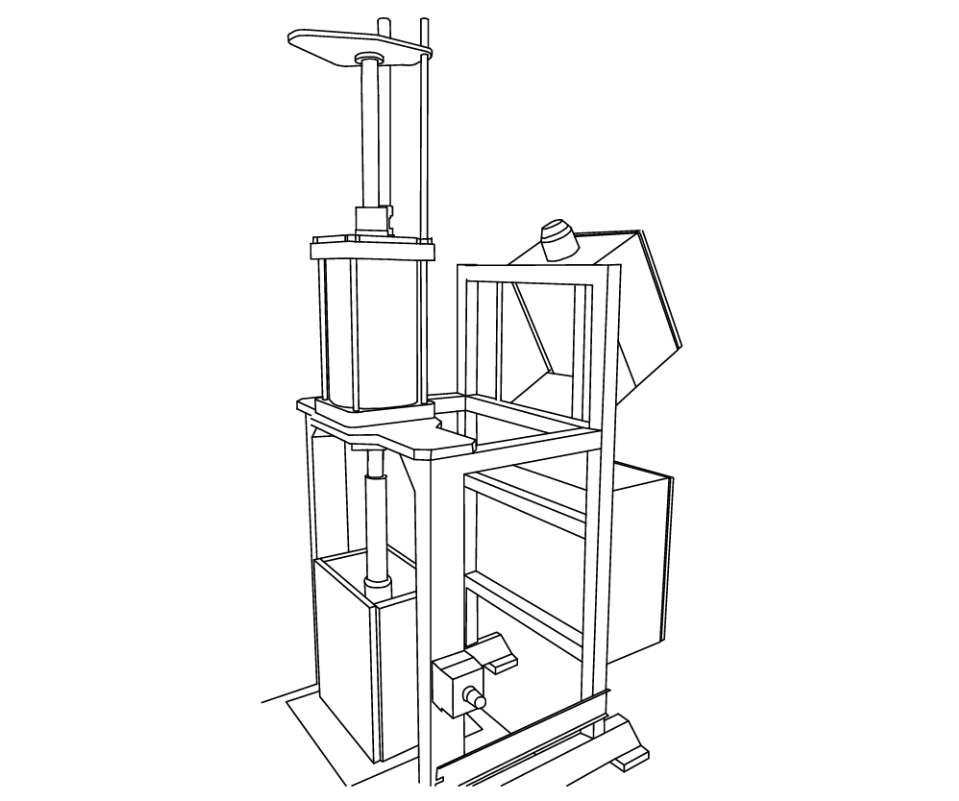
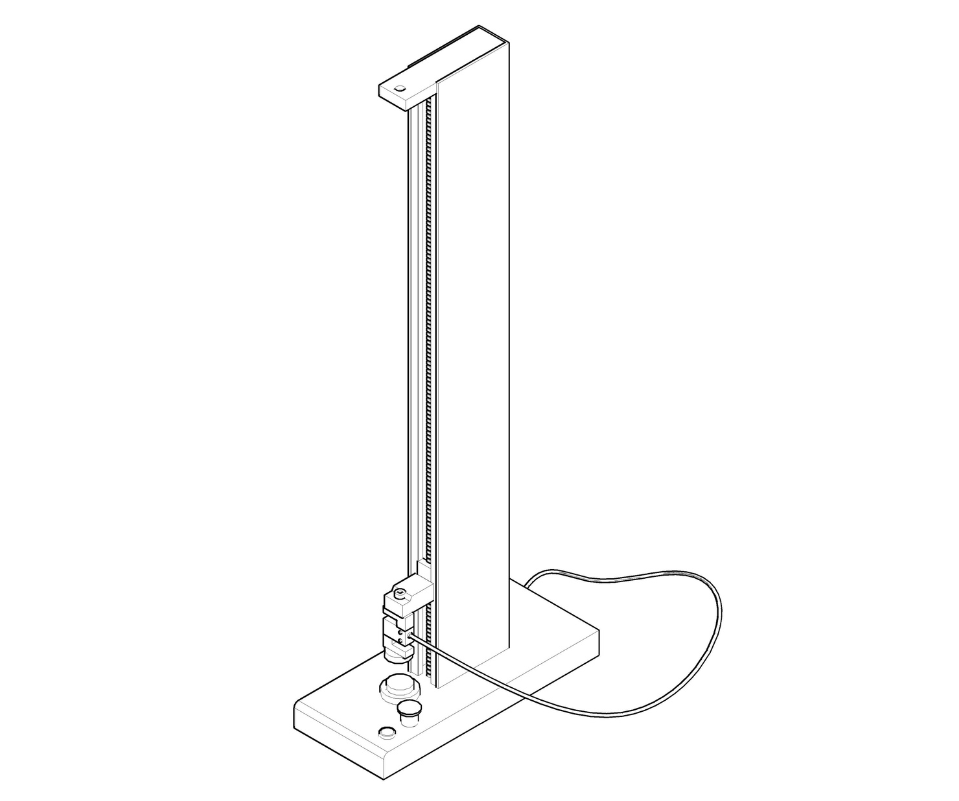
Consolidometer

Centrifuges
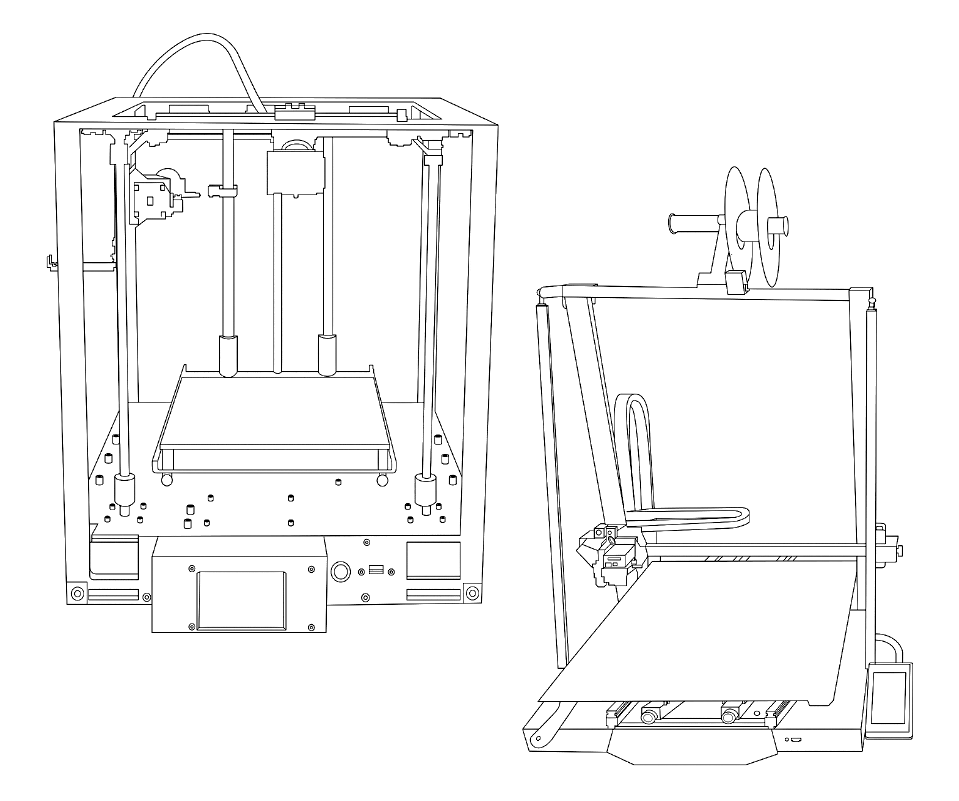
3D Printer
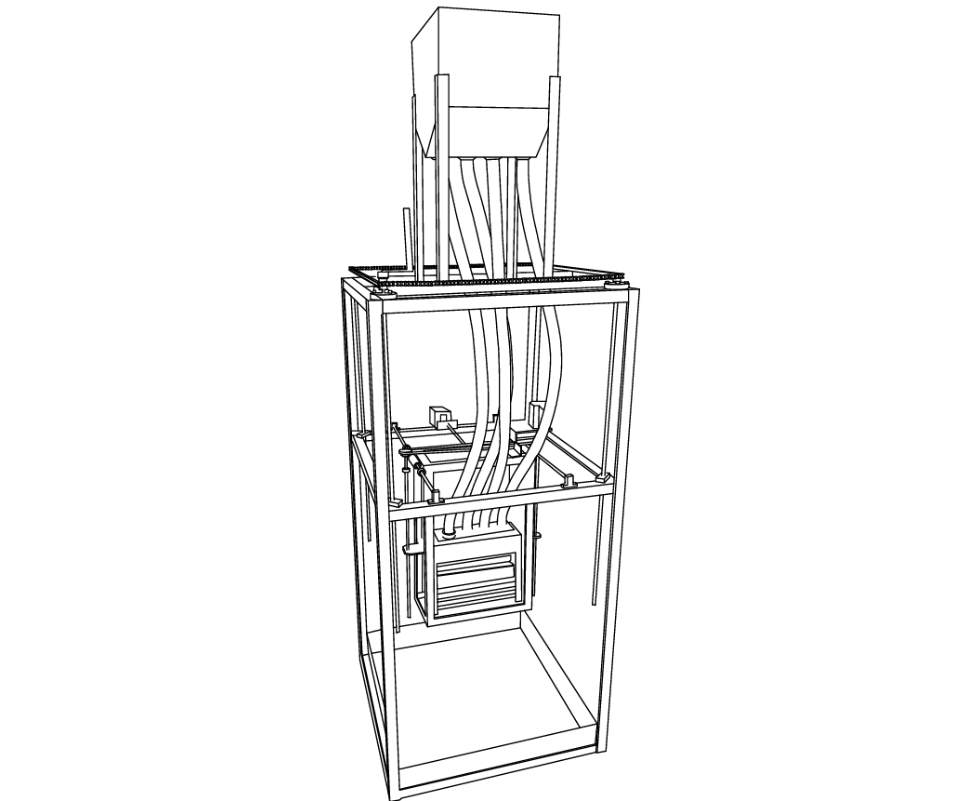
Automatic sand pluviator
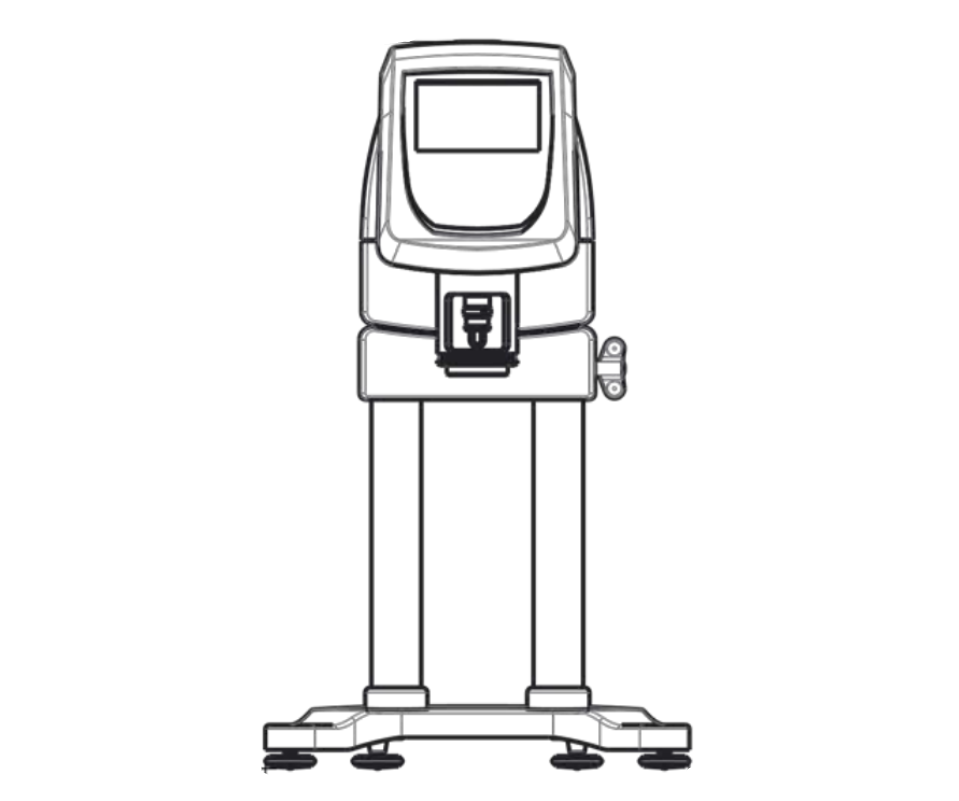
Rheometer
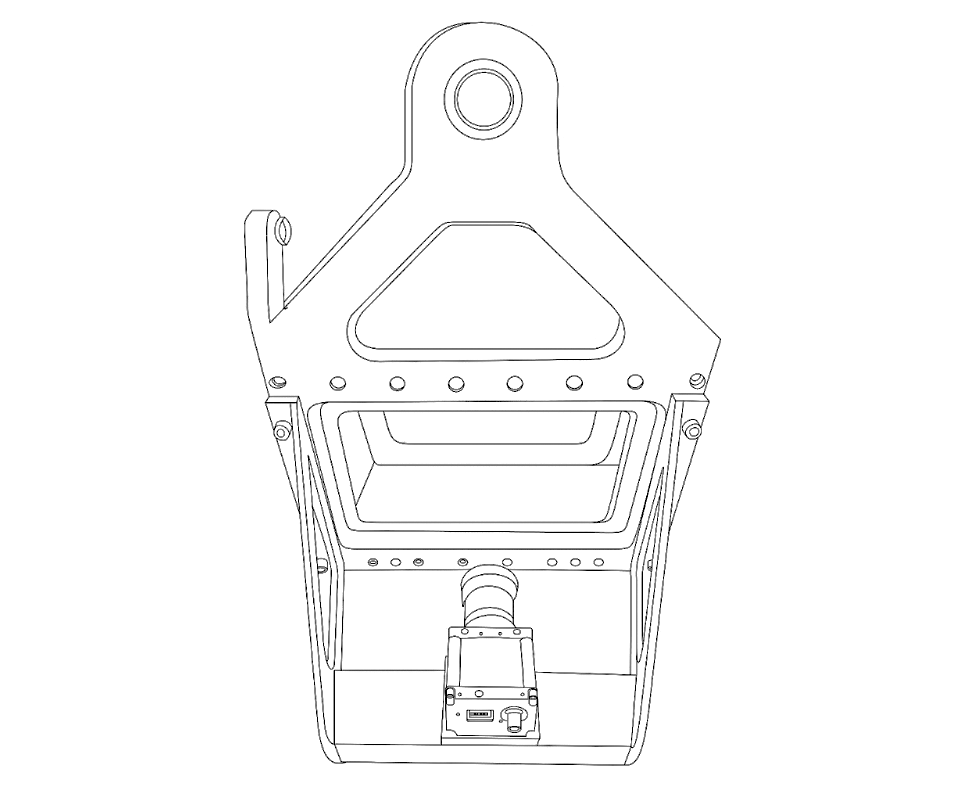
PIV system
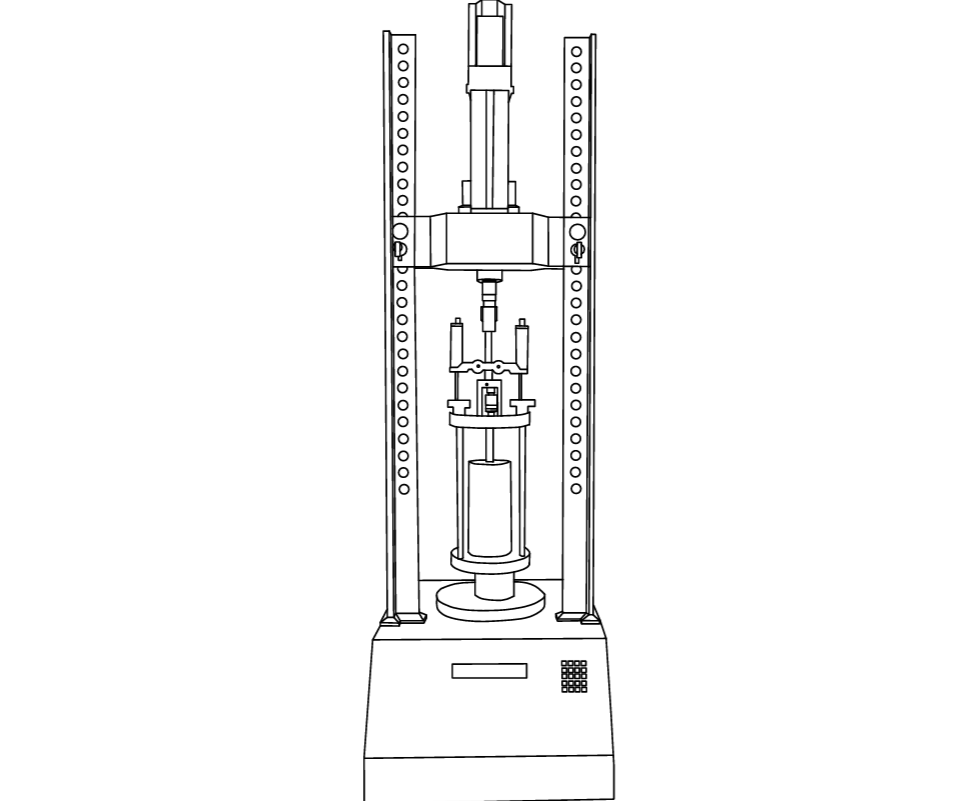
Triaxial