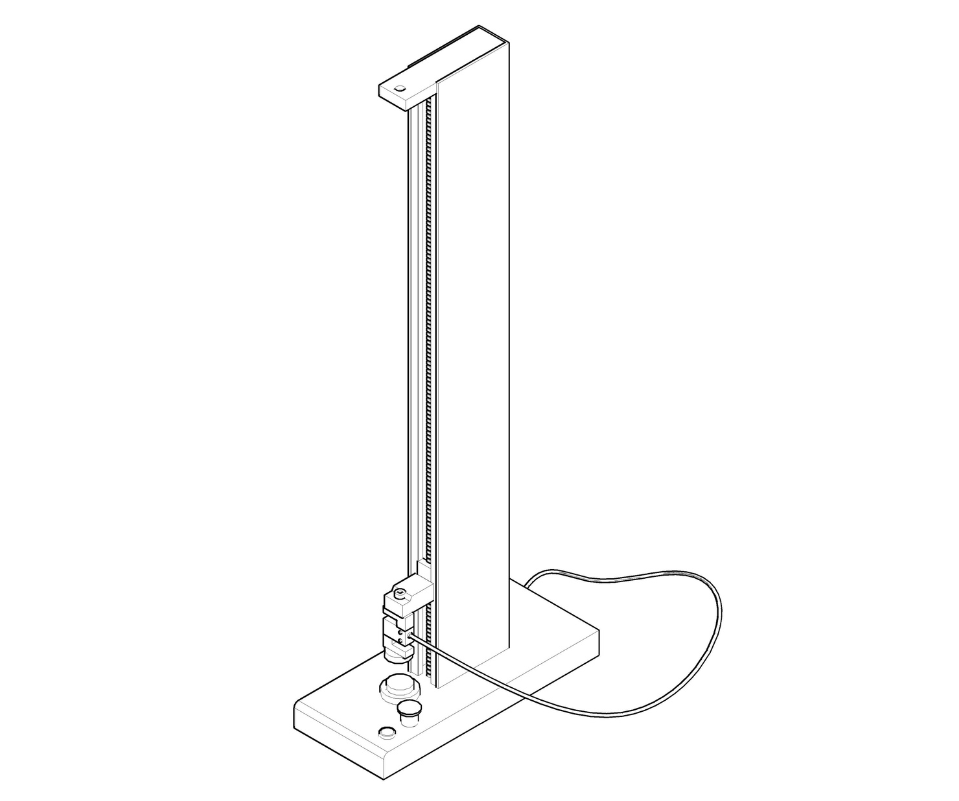
PIV system
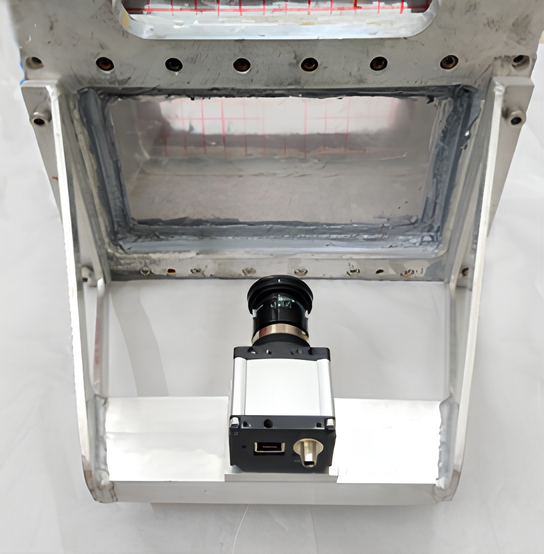
Developed for fluid mechanics studies, PIV (Particle Image Velocimetry) is an analysis method that tracks the movement of a particle through a sequence of images in order to follow its trajectory in a flow.
The technique has become popular in geotechnical engineering for monitoring soil deformation, using soil texture and color, citing work developed at COPPE/UFRJ, Oliveira (2005), Pelissaro (2018), and Hotta (2019).
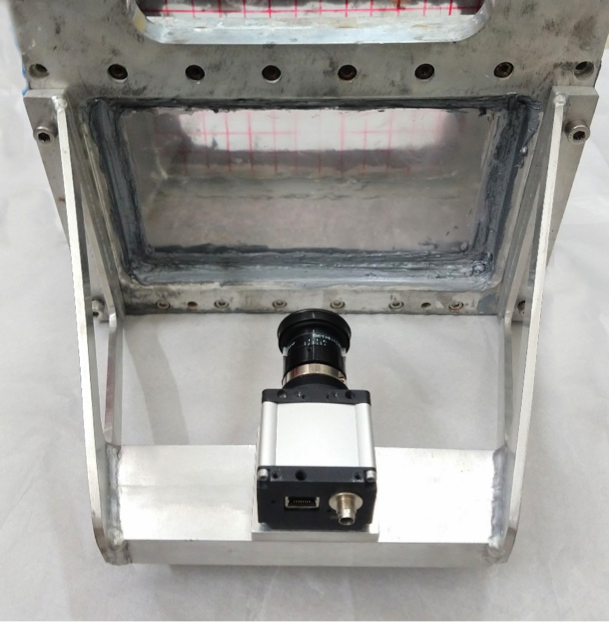
Using a box with transparent sides, the soil profile is recreated and sent for testing in the centrifuge. A camera is positioned on the side to be observed and records the soil profile during the test.
After the test is complete, the images are analyzed by software that compares them side by side to ultimately obtain the field of deformations generated for the tested conditions.
Currently, the technique is used at LM²C in projects involving “Experimental modeling of the effects of subsidence on the stability of submarine slopes” and “Investigation of the effects of fault propagation in sediments and offshore structures.”
Developed for fluid mechanics studies, PIV (Particle Image Velocimetry) is an analysis method that tracks the movement of a particle through a sequence of images in order to follow its trajectory in a flow.
The technique has become popular in geotechnical engineering for monitoring soil deformation, using soil texture and color, citing work developed at COPPE/UFRJ, Oliveira (2005), Pelissaro (2018), and Hotta (2019).
Using a box with transparent sides, the soil profile is recreated and sent for testing in the centrifuge. A camera is positioned on the side to be observed and records the soil profile during the test.
After the test is complete, the images are analyzed by software that compares them side by side to ultimately obtain the field of deformations generated for the tested conditions.
Currently, the technique is used at LM²C in projects involving “Experimental modeling of the effects of subsidence on the stability of submarine slopes” and “Investigation of the effects of fault propagation in sediments and offshore structures.”
Our Equipment
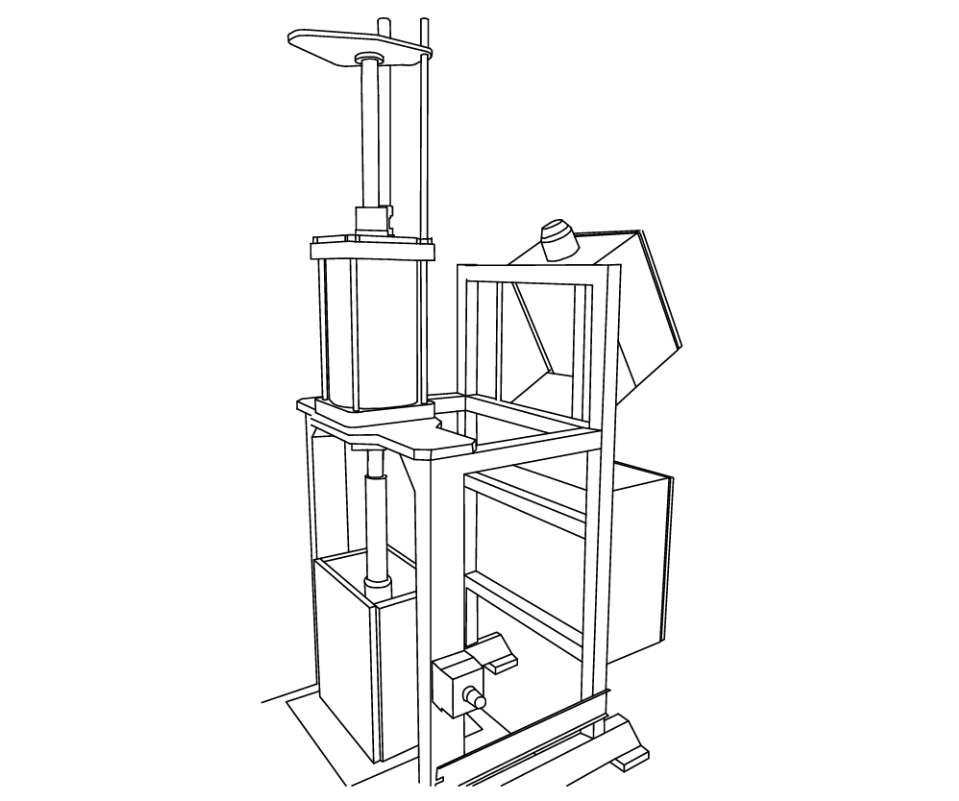
Consolidometer

Centrifuges
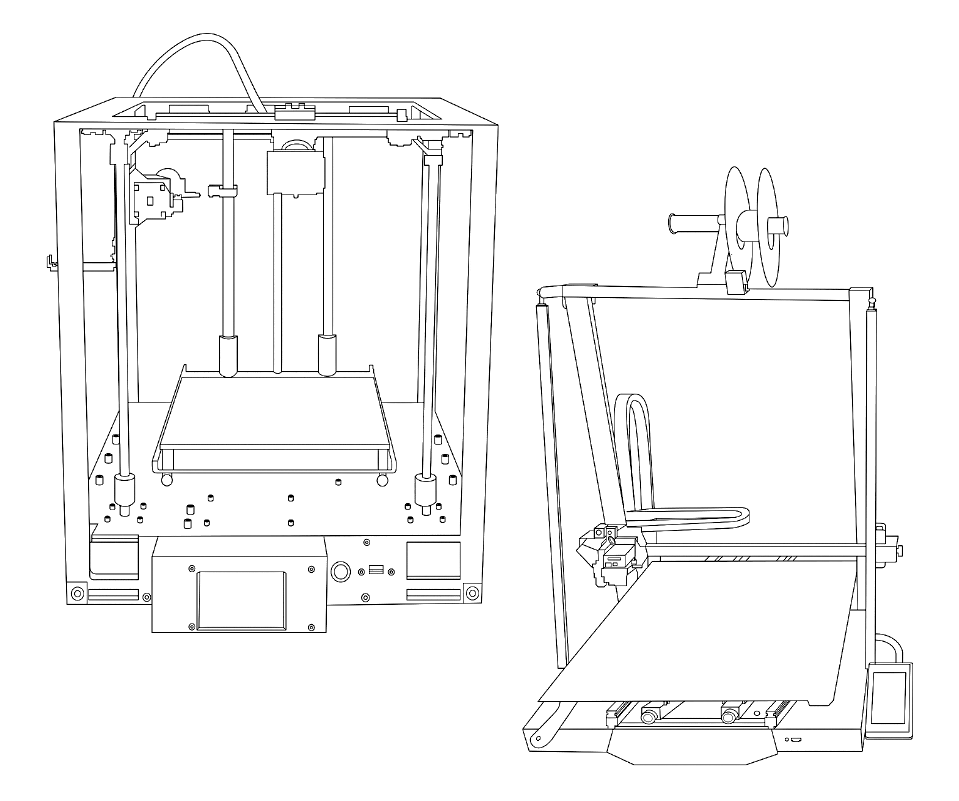
3D Printer
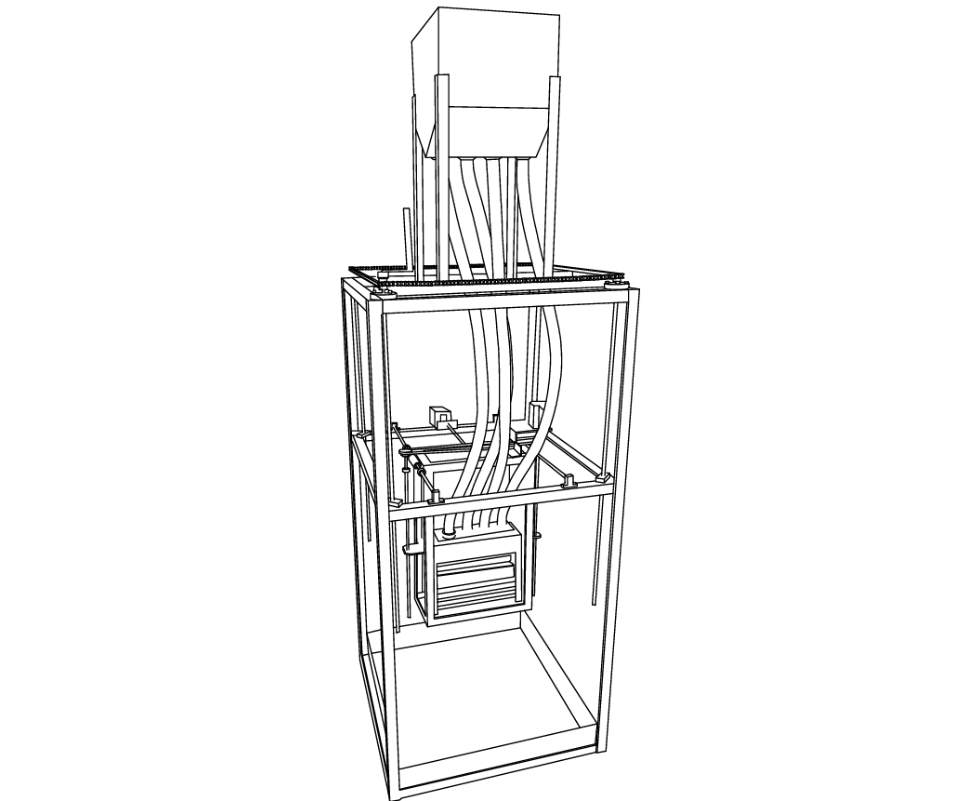
Automatic sand pluviator
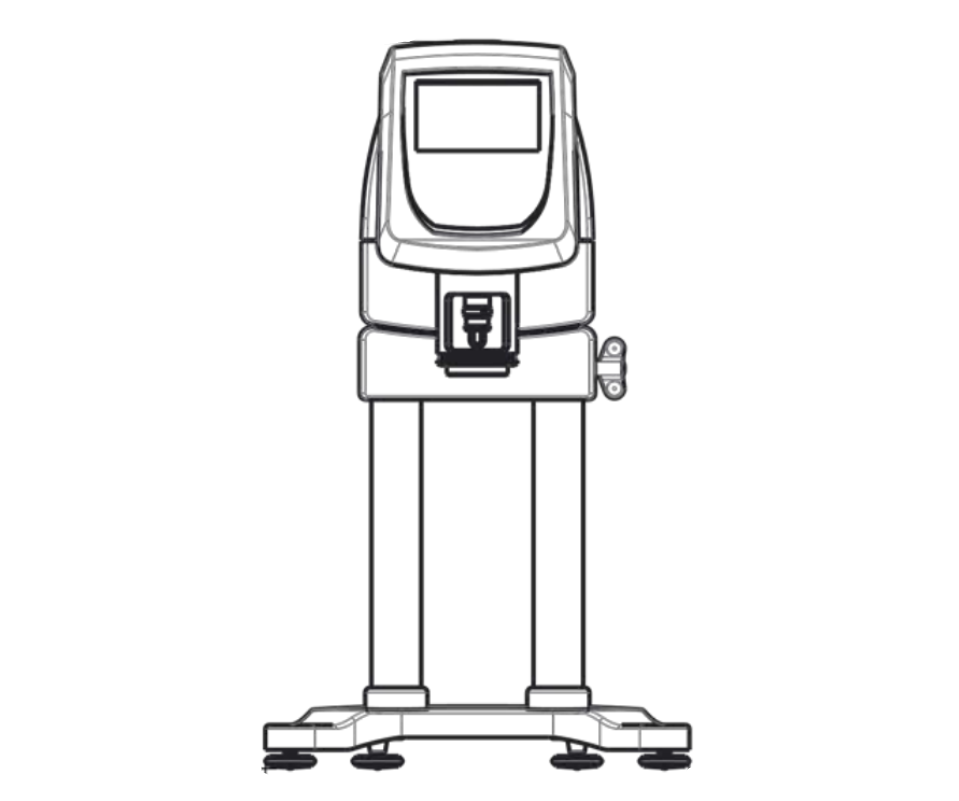
Rheometer
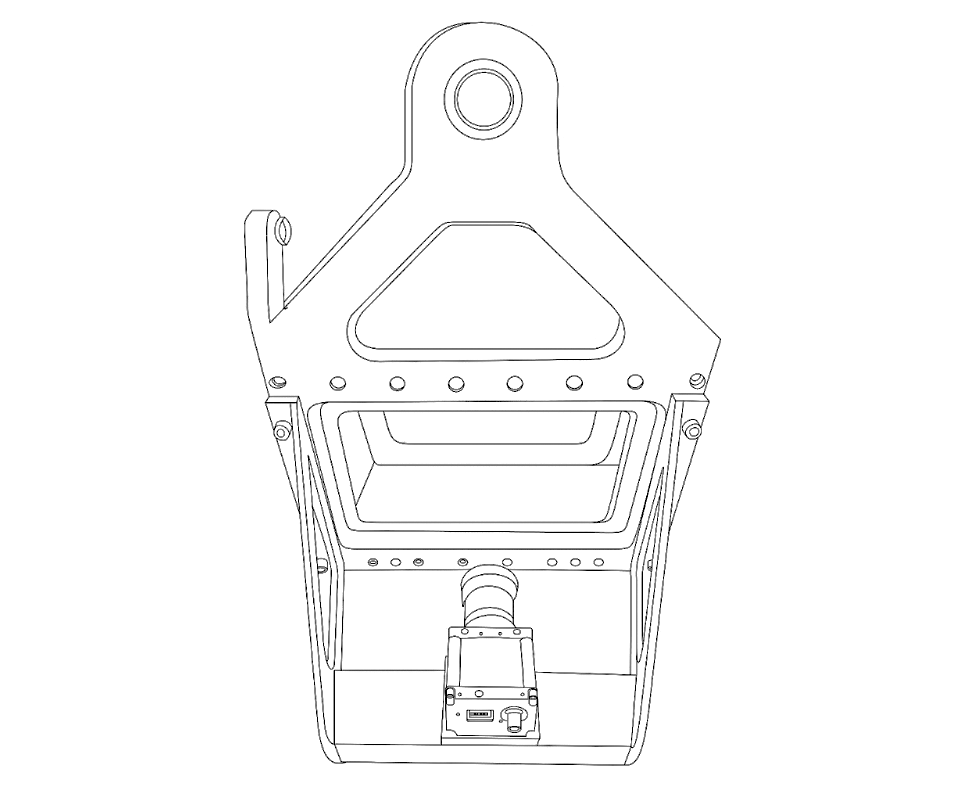
PIV system
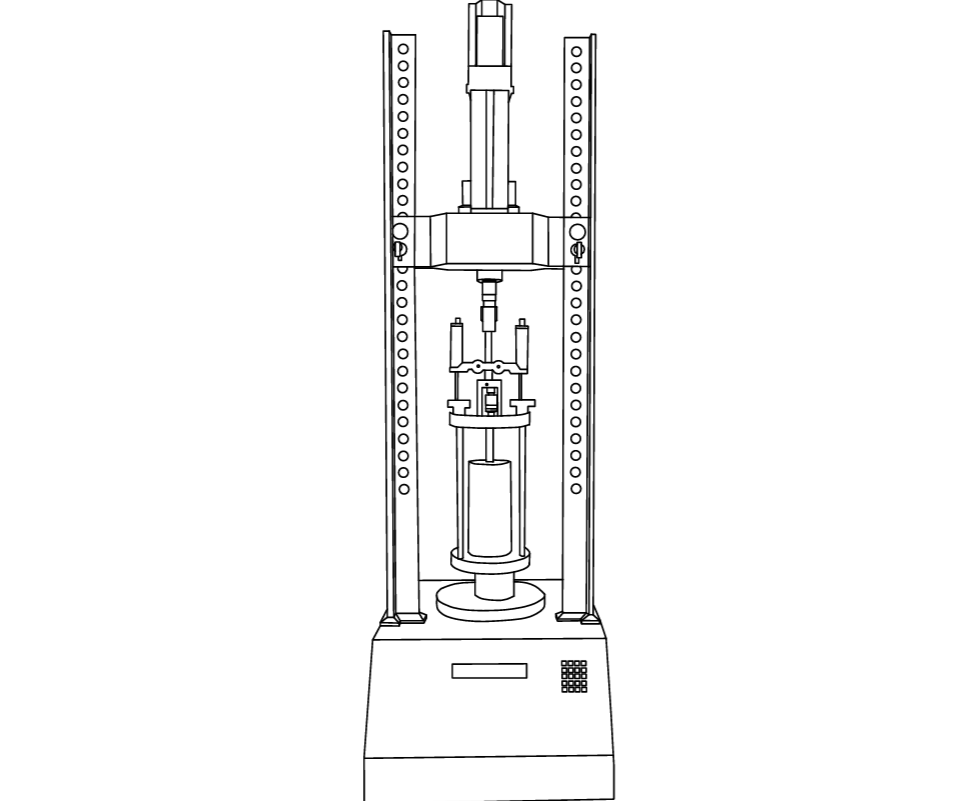
Triaxial